A federal robotaxi bill


Save the Date

Join us for CoMotion LA ‘26 this November 18-19 for our 10th edition: Cities on the Move: Mega-events, AI & Shaping What’s Next — featuring the OMF Summit Track.
As we journey further into the autonomous era, there is little question that there will be more regulation coming. Despite strong evidence that AVs are far safer than human drivers, the public remains unconvinced and even AV-friendly political leaders recognize that their concerns cannot simply be waved off. Hence the bill introduced this week by Rep. Kevin Mullin, D-Calif, to establish minimum federal safety standards for robotaxis. Industry has not denounced the measure, at least not yet, but a fierce battle over the details seems likely.
Meanwhile, even in liberal California voters have soured on EV mandates, a challenge for environmentalists and political leaders who are being forced to rethink how they sell climate-friendly policies to the public.
What you need to know
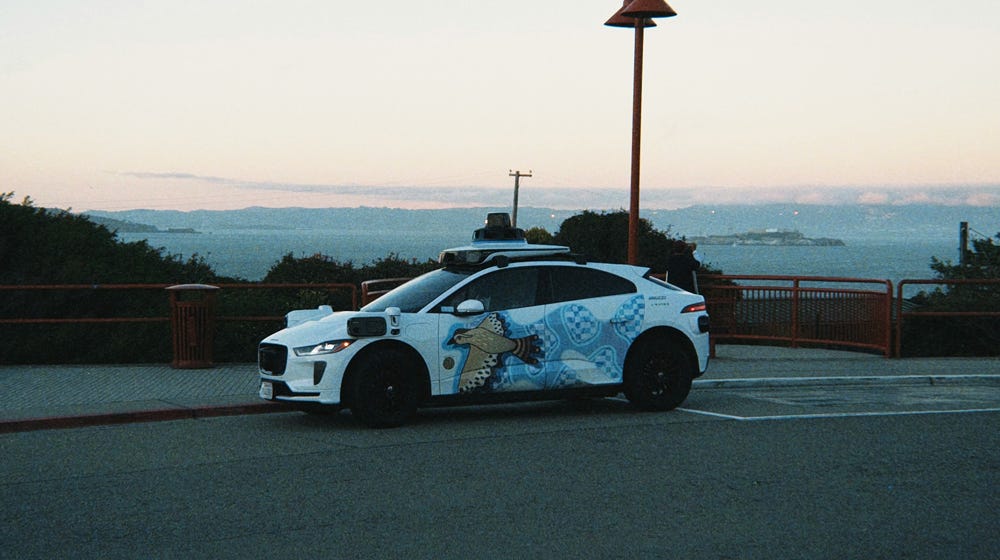
A bill to regulate robotaxis: A group of lawmakers introduces a bill to establish minimum standards for autonomous vehicles. The proposed law is authored by San Francisco Democrat Rep. Kevin Mullins and backed by other prominent Bay Area leaders, including Mayor Daniel Lurie, a longtime booster of the region’s tech economy.
Among other things, the bill would direct the National Highway Traffic Safety Administration to implement minimum safety standards for how AV fleets interact with emergency services. It would also require operators to maintain a 24/7 hotline that public safety officials can reach to alert the company to incidents involving their vehicles. Finally, it would require a mechanism for local governments to digitally restrict access to AVs in certain areas during emergencies.
Mullin is optimistic the legislation can attract bipartisan support; the issue is not viewed through a “viewed in a partisan context,” he says. Indeed, whatever lawmakers think about AVs, polls suggest their constituents remain broadly skeptical. In a recent Pew survey, 71% of Americans said they were uncomfortable with the idea of riding in an AV. Only 7% said they were “very comfortable” with the idea.
Waymo leaders say they support federal standards but they haven’t taken a position on Mullin’s bill yet. The devil will be in the details.
Californians lukewarm on EV mandate: Despite facing the highest gas prices in the country, two-thirds of California’s famously liberal electorate oppose a law phasing out gas-powered cars by 2035. The survey by the California Public Policy Institute found that opinion had shifted sharply against the plan since 2021, when voters were roughly evenly split on the issue.
This is bad news for Gavin Newsom, who championed the mandates, and it aligns with an increasing recognition among Democrats that their focus on climate has fallen flat with most voters. Most people believe in climate change, but many also perceive climate policies as costly and a threat to their economic security.
CoMotion has been in downtown Los Angeles for 10 years — in that time, self-driving cars have filled the roads, delivery robots crawl the sidewalks, and slowly but surely, a subway network is emerging. In this special retrospective conversation, CoMotion founder and chief curator John Rossant sits down with former Mayor of Los Angeles and Ambassador to India Eric Garcetti for a discussion on what’s changed in the last decade in the city, and what lies ahead.
Lyft & Baidu take on London: Chinese tech giant Baidu begins to test autonomous vehicles in London in partnership with Lyft, which is now operating in Europe after purchasing German ride-hail service Freenow. Waymo has also been testing AVs there since April and Uber and Wayve have said they will begin doing so soon. London could serve as an interesting petri dish for international robotaxi competition.
Karen Bass, the latest transit populist: Facing a tough reelection challenge from the left, Los Angeles Mayor Karen Bass embraces Mamdani-esque transit promises, pledging to make transit safer, more reliable and free. It’s a curious pivot for Bass, who has not been known as a reliable friend of public transit in the past.
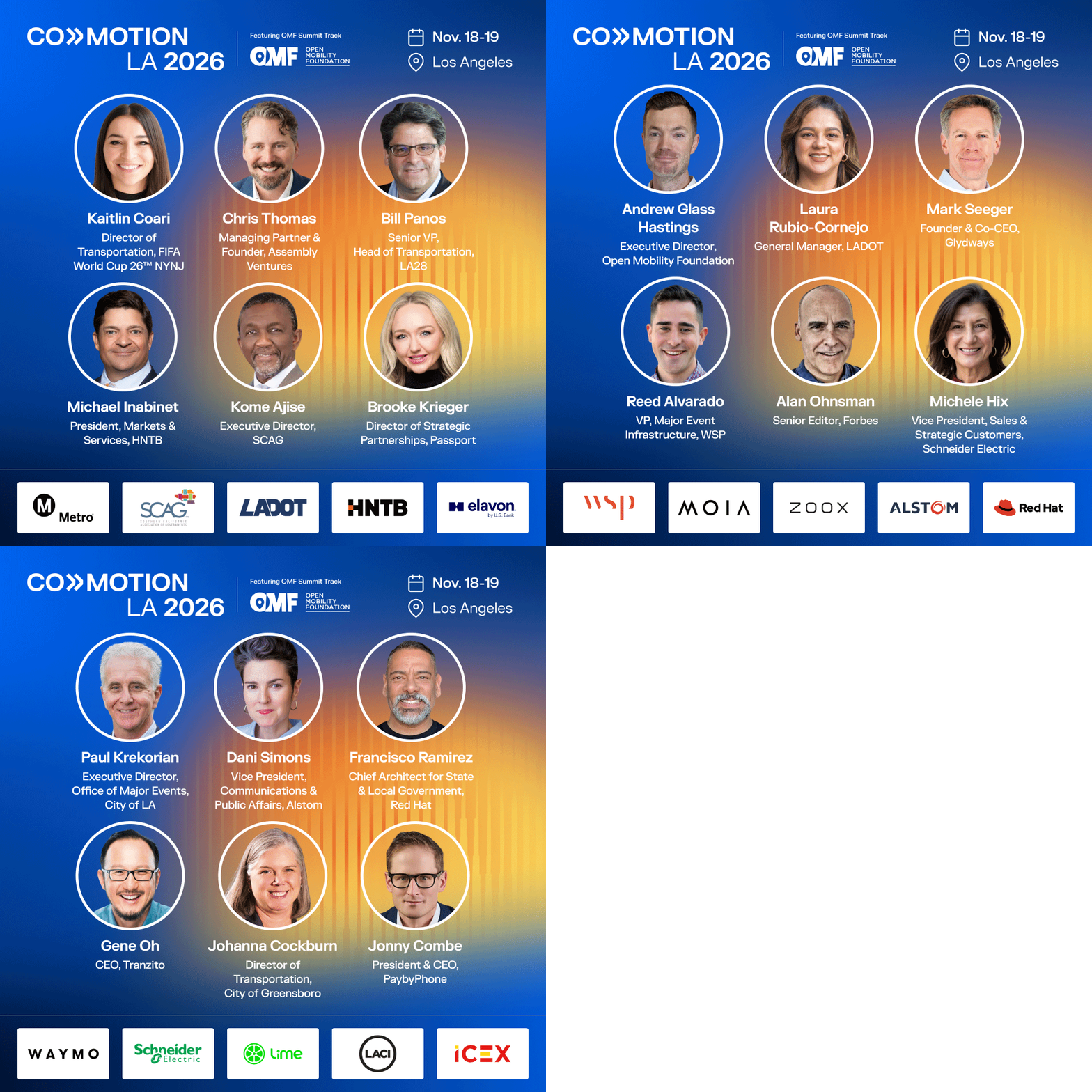
Come Shape the Future of Mobility in LA 🌴☀️
This November 18-19, we celebrate the 10th edition of CoMotion LA featuring the OMF Summit Track — and will bring together the leaders, innovators and decision-makers reshaping how cities move, connect and grow.
Be in the room to hear how:
- LA Metro and LA28 are preparing for one of the world’s largest sporting events.
- FIFA World Cup 26 is coordinating regional mobility across multiple cities.
- Advanced air mobility is transitioning from concept to regulatory reality.
- Autonomous and micromobility are reshaping last-mile connectivity.
- Open-source mobility data is enabling interoperability.
- Cities are reimagining streets from car-centric to people-centric planning models.
👉 Take a look at our latest confirmed speakers.
The conversations shaping the next decade start here. Register now.
What we’re reading
How Bogota puts housing, transit and public space first: StreetsBlog sits down with Vanessa Velasco, who oversees the Colombian capital’s unique Habitat Department, responsible for making the city more sustainable and livable. She talks about how the city government is now considering every project through the lens of housing, transportation and public spaces.