Could hydrogen replace diesel?


Save 30% on Tickets, Ends Monday!

CoMotion LA ‘26 kicks off next month, this November 18-19: Cities on the Move: Mega-events, AI & Shaping What’s Next — featuring the OMF Summit Track. Register now and save 30% before rates increase on Monday, October 19th at midnight.
It wasn’t too long ago that hydrogen was viewed as the key to decarbonizing transportation. EVs have since hogged the spotlight, but there are plenty of reasons to believe that hydrogen will still play an important role in future mobility. The latest example comes in long-haul trucking, where a startup born at MIT has developed a system for converting diesel engines to hydrogen, a particularly attractive prospect when diesel is $6/gallon.
Plus, EV sales are beginning to recover from the public policy setbacks last year and how long will it take for the traffic safety implications of the Trump administration’s “war on woke” to come into view?
Finally, if you’re a startup in the mobility space, you need to sign up for the LA New Mobility Challenge for a chance to present your company or product to a panel of industry-leading experts at CoMotion LA ‘26 next month!
What you need to know

Replacing diesel with hydrogen: As diesel prices spike, LNK Energies, a startup founded at the Massachusetts Institute of Technology, is developing a way to transition diesel-burning big rigs to hydrogen. The key is by storing the hydrogen in another liquid on the truck and then simply burning it as-needed in the conventional internal combustion engine (with a few modifications). The company is just beginning to test out its technology on lawn mower motors but says they plan to begin testing on trucks within 18 months. The advantage of hydrogen over EVs is that it wouldn’t require any charging time — the fuel is carried onboard and powers the engine immediately.
Sean Duffy’s War on Woke makes roads more dangerous: Traffic safety experts are sounding the alarm about Transportation Secretary Sean Duffy’s apparent contempt for proven safety measures, such as bike lanes, road diets and automated speed enforcement.
What does the future of transportation look like — and who’s bringing it to life?
Paul Comfort sits down with John Rossant, Founder and CEO of CoMotion, to explore the ideas, innovations, and partnerships reshaping how people move through our cities.
From emerging mobility technologies to the evolving relationship between public transit, private industry, and city leadership, John shares his perspective on what’s driving the next generation of urban transportation—and why collaboration is essential to making meaningful progress. It’s a conversation about more than technology. It’s about building cities that work better for everyone.
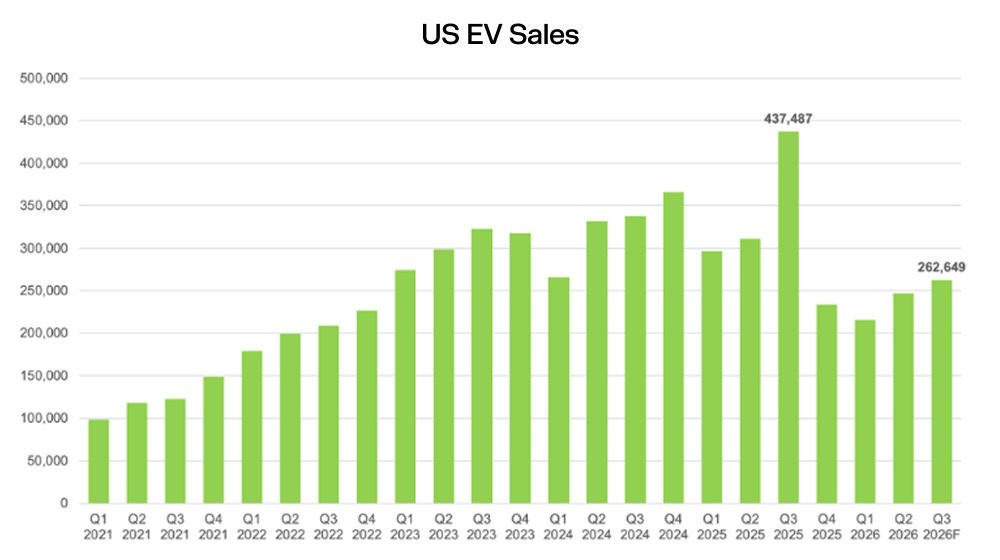
U.S. EV sales slowly rise: It’s strange to say, but the fact that EV sales in Q3 were only 40% lower than a year ago — when sales hit an all-time high before the expiration of the EV tax credit –– is a cause for optimism. The 262,000 deliveries in Q3 of this year is 6% higher than Q2 and shows that the market is recovering. Tesla still accounts for more than half of total U.S. EV sales even though its own sales are down 20% from last year.
Robotaxis expand in England: A month after it began offering limited autonomous passenger rides in London, Uber has begun autonomous testing in Manchester as it eyes an eventual expansion of robotaxis across the U.K. In London Uber is partnering with domestic autonomous startup Wayve, while in Manchester it is collaborating with China’s Pony.ai and Croatia’s Verne, the same two companies with whom it launched Europe’s first fully driverless ride-hailing in Zagreb.
What we’re reading
Take me home to the old ballgame: The other day we highlighted a story about the increasing number of homes being built on public libraries, and today we’ve got one on the conversion of old baseball stadiums into housing.