Is America over mass transit?


Save the Date

Join us for CoMotion LA ‘26 this November 18-19 for the 10th edition: Cities on the Move: Mega-events, AI & Shaping What’s Next — featuring the OMF Summit Track.
It’s a frustrating time to be a public transit supporter in the U.S. On the bright side, urban planners and city leaders have awoken to the shortcomings of car-centric planning and a formidable grassroots urbanist movement is pressuring local governments to offer people transportation alternatives. And yet, as has been widely documented, it costs way too much and takes way too long to actually build transit in America. And to make matters worse, the federal government has come squarely down on the side of cars and appears to be deliberately slowing down the approval of federal funds for new transit projects.
Speaking of dashed transit dreams, has Elon Musk’s Boring Company just become a glorified roads builder? And are Uber and Waymo finally breaking up? Finally, is it true that Americans simply prefer the suburban lifestyle? Or is America simply suffering from a shortage of cities?
What you need to know
The Trump administration’s transit snub: The Trump administration has not authorized funding for a major mass transit project since Donald Trump’s return to the White House even though Congress has appropriated billions for that purpose. It’s not unheard of for there to be a slow year for Capital Investment Grant agreements, but transit observers say what is happening looks like deliberate obstruction from an administration that fundamentally doesn’t believe in mass transit.
For better or worse, federal funding is a key part of local transit projects in the U.S., often accounting for roughly half of the cost of major rail or bus rapid transit projects. A slowdown from Uncle Sam threatens to make America’s uniquely cumbersome and costly transit-building process even more expensive.
CoMotion has been in downtown Los Angeles for 10 years — in that time, self-driving cars have filled the roads, delivery robots crawl the sidewalks, and slowly but surely, a subway network is emerging. In this special retrospective conversation, founder and chief curator John Rossant sits down with former Mayor of Los Angeles and Ambassador to India Eric Garcetti for a discussion on what’s changed in the last decade in the city, and what lies ahead.

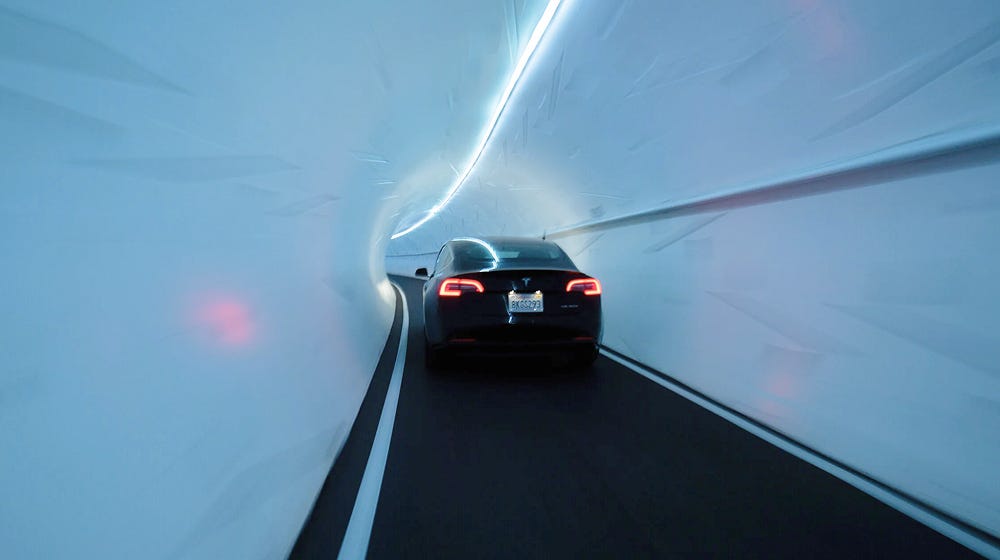
Is the Boring Company just a car tunnel company? Elon Musk’s Boring Company is reportedly seeking to raise $4 billion as it pursues new tunnel projects in Nashville and Dubai. The $20 billion valuation is tiny compared to SpaceX and Tesla, perhaps because nothing the Boring Company is building is particularly revolutionary. There is no more talk of building “hyperloops” or other forms of futuristic mass transit. The system it built in Las Vegas and the ones it’s planning for Nashville and Dubai are simply … roads, but underground. Adding vehicle capacity underground might be preferable to making above-ground highways even wider, but what the world (particularly the U.S.) could really use is a company that knows how to build subway tunnels on the cheap. Could you help us out there, Elon?
The Waymo-Uber breakup: Waymo is considering cutting ties with Uber, whose platform it still relies on in two major North American markets: Austin and Atlanta. Waymo has already announced that it will begin offering rides through its own app in those markets beginning early next year, but it has not said whether it will abandon the Uber app, as it did recently in Phoenix.
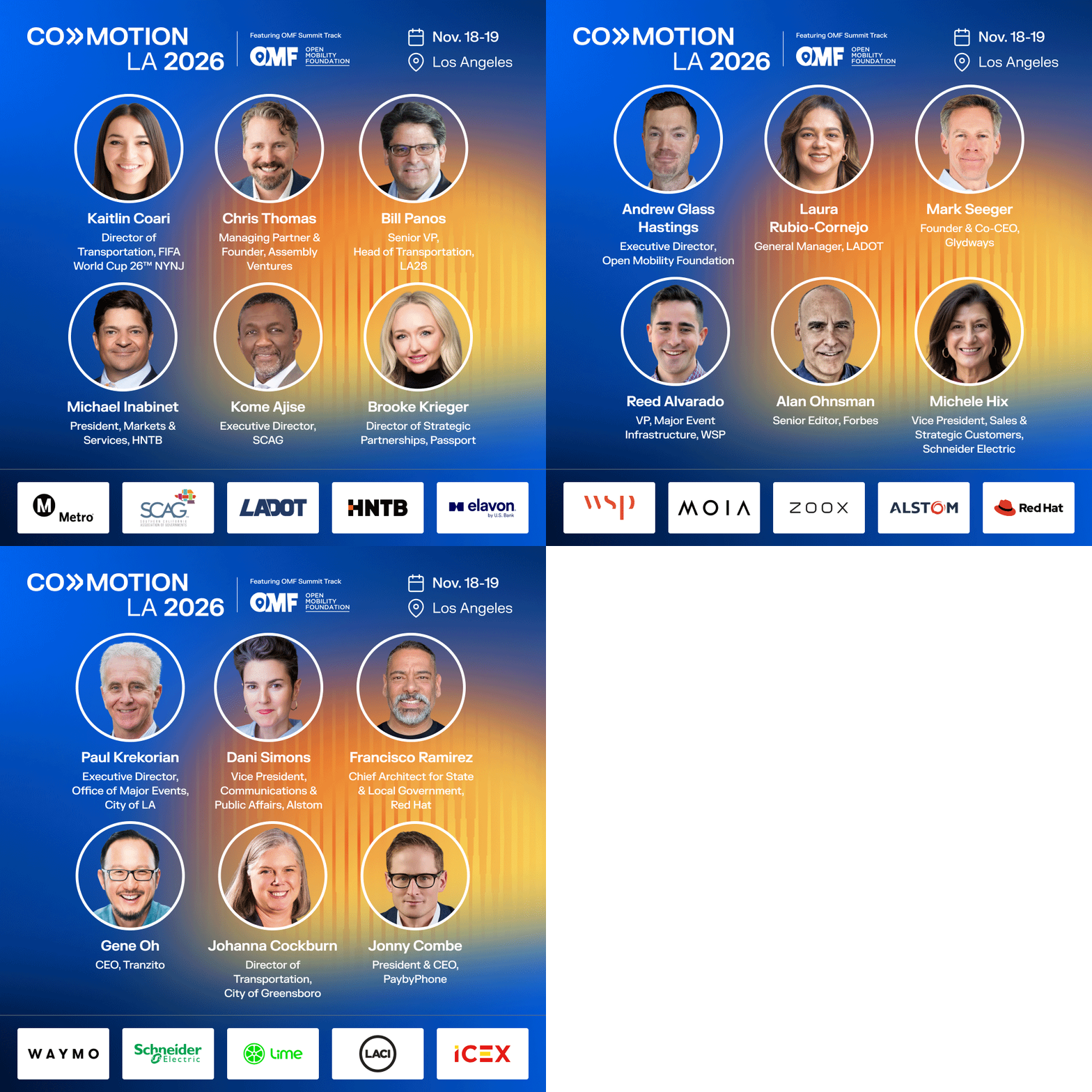
Come Shape the Future of Mobility in LA 🌴☀️
This November 18-19, we celebrate the 10th edition of CoMotion LA featuring the OMF Summit Track — and will bring together the leaders, innovators and decision-makers reshaping how cities move, connect and grow.
Be in the room to hear how:
- LA Metro and LA28 are preparing for one of the world’s largest sporting events.
- FIFA World Cup 26 is coordinating regional mobility across multiple cities.
- Advanced air mobility is transitioning from concept to regulatory reality.
- Autonomous and micromobility are reshaping last-mile connectivity.
- Open-source mobility data is enabling interoperability.
- Cities are reimagining streets from car-centric to people-centric planning models.
👉 Take a look at our latest confirmed speakers.
The conversations shaping the next decade start here. Register now.
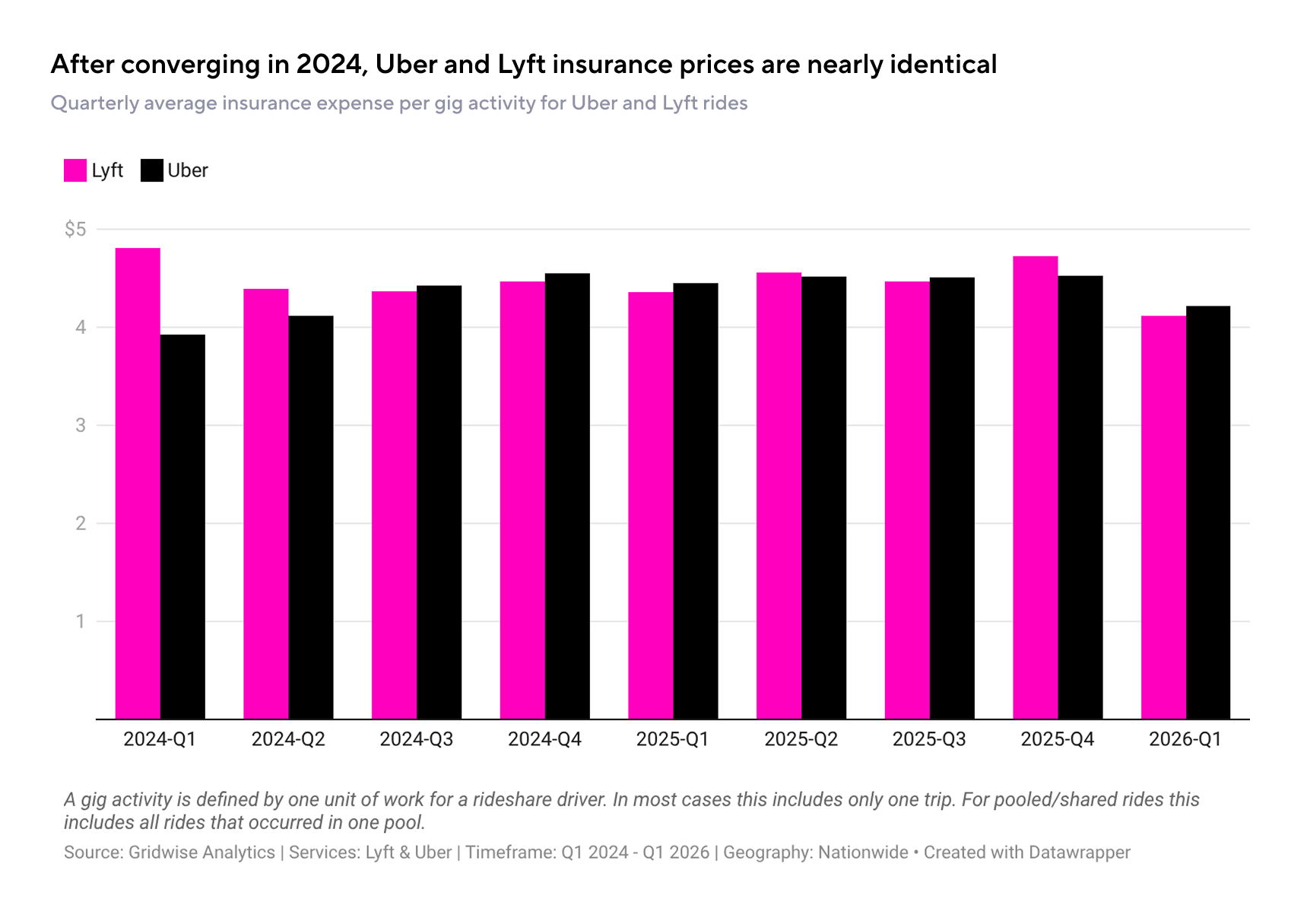
How low can insurance costs go? A new analysis by Gridwise finds that insurance accounts for 21% of the cost of the typical Uber or Lyft ride. The good news is that insurance costs are finally beginning to decline; they dropped by 5% in the past year. What will be the insurance picture in an increasingly autonomous future? If AVs prove far safer than human-driven cars and taxis, then the cost of insurance should plummet. One can hope…
What we’re reading
America’s shortage of cities: City Observatory Director Joe Cortright disputes the common belief that the continued rapid growth of America’s suburbs and exurbs is simply a reflection of Americans’ preferences. “Careful economic analysis suggests the opposite: suburban growth is not a victory of preference, but a symptom of a profound shortage of cities.”