When does it become all autonomy, all the time?


Save the Date

Join us for CoMotion LA ‘26 this November 18-19: Cities on the Move: Mega-events, AI & Shaping What’s Next — featuring the OMF Summit Track.
Autonomous driving is rapidly expanding. In Croatia a home-grown robotaxi service becomes Europe’s first to conduct rides without a safety driver while Spain issues its first autonomous ride-hailing permit. The age of autonomy is here, but it remains far from clear exactly what form it will take. Will robotaxis become the most common form of transportation — a “general purpose technology” that will be so cheap that car ownership will become optional everywhere? And who exactly will be owning and operating the vehicles? Will it all be controlled by a tiny handful of tech giants, or will there be a highly diversified ecosystem of manufacturers, software vendors, and ride-hailing platforms? These are the things we think about at CoMotion!
What you need to know
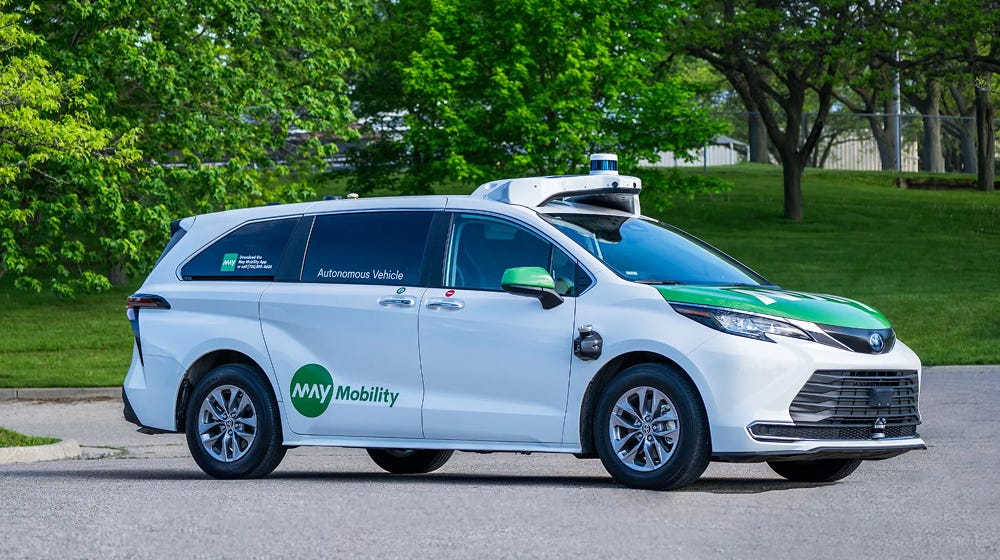
May Mobility going public: May Mobility will go public by merging with an SPAC, making the Ann Arbor, Mich-based startup the first publicly-traded company focused entirely on AVs. Many of the other big players in autonomous driving are units of much larger tech giants that are still trying to figure out what role they will play on robotaxis (Manufacturer? Vendor? Operator? All of the above?), but May Mobility has a very clear business plan: it will sell its self-driving tech to fleet managers, principally public transit authorities and ride-hail operators. We’ll see how investors react.

What CoMotion is about: CoMotion CEO John Rossant sits down with Capital Analytics Associates to discuss the ongoing urban mobility revolution and the role CoMotion is playing in it: “You can think of CoMotion as the connective tissue of the global urban mobility ecosystem. We bring together cities, mayors, transportation leaders, investors, startups, and corporates that are building the future of how people and goods move.”
Europe’s autonomy map expands: The robotaxi operation in Zagreb, Croatia run by local startup Verne and China’s Pony.ai becomes the first in Europe to give autonomous rides with no human supervisor on board.
Meanwhile, Spain awards Uber, WeRide and fleet operator AVOMO the first national permit for Level 4 AVs. It will just be testing to begin, but commercial robotaxi operations are planned by the end of the year.
How will drivers bargain in the robotaxi era? California has cleared the way for a union to bargain on behalf of Uber and Lyft drivers after 30% of drivers signed cards in favor of union representation. Drivers in two other states — Massachusetts and Washington — have also unionized and won certain work and pay protections, but in all cases the drivers are still considered independent contractors. It will be interesting to see how the unions navigate the expansion of robotaxis. Human drivers will continue to exist for the foreseeable future, but there will likely be fewer of them.
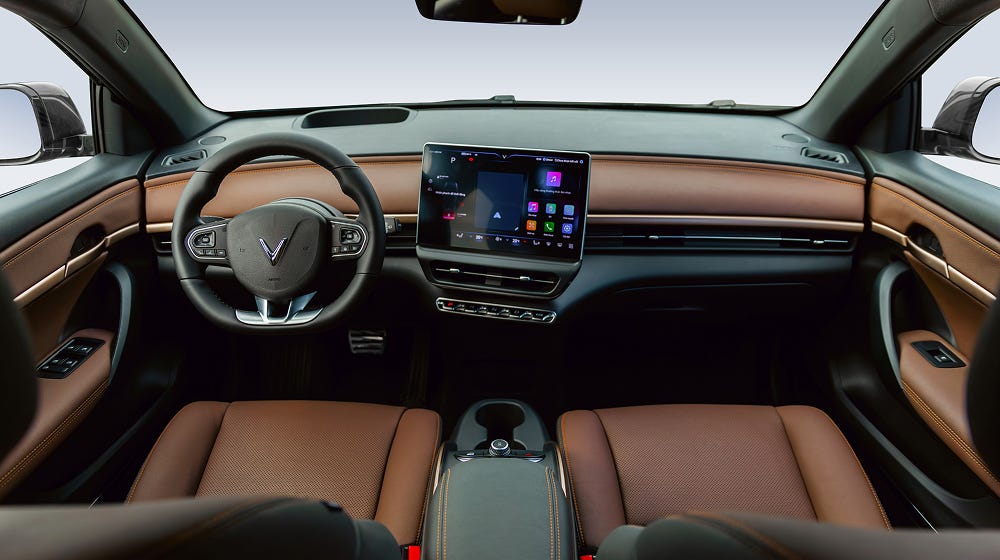
VinFast bets big on India: Vietnamese EV maker VinFast wants to build two new vehicles aimed at India’s rapidly growing EV market. According to sources who spoke to Reuters, the automaker wants to build a vehicle that is “a little bit bigger” than an existing two-door compact SUV that it sells in Vietnam for about $12,000. But it hopes it can deliver the slightly larger vehicle at about that price. Much attention has been paid (including from us) to India’s massive electric two-wheeler market, but the Indian government is also trying to get more electric cars on the road. Currently EVs account for only 7% of new car sales — still slightly higher than in the U.S.!
What we’re reading
Autonomous vehicles are the newest general-purpose technology: Writing for Human Progress, Nathan Smith offers a bullish case for autonomous vehicles as a “general-purpose technology” akin to electricity, flushing toilets, television and the internet in that they will eventually achieve near-universal adoption and transform daily life. He describes AVs as liberating people from the burden of personal vehicle ownership and freeing up cities to use land more productively (read: A LOT less parking).