How the LA Olympics will improve commutes


3 Weeks to Go!

Join us for the milestone tenth edition of CoMotion LA on Nov. 18-19, 2026: Cities on the Move: Mega-events, AI & Shaping What’s Next — featuring the OMF Summit Track.
This week we’ve got a counterintuitive take from our friend Alissa Walker at Torched: the 2028 Summer Olympics may actually ease congestion in famously gridlocked Los Angeles. We’re certainly rooting for her to be right!
Meanwhile, Waymo’s plans to quintuple its fleet by the end of next year sound like a big deal, but not if you compare it to Tesla’s stated plan to “literally take over every part of terrestrial transportation.” In France, e-mobility fleets are proving explosive amidst riots, while in the U.S. lawmakers who are rightly concerned about illegal e-motos risk hurting perfectly safe e-bikes in the process.
What you need to know

Could the Olympics improve your commute? Alissa Walker says Los Angeles’ transportation demand management plan for the Olympics will prevent the famously congested city from being crippled by traffic gridlock. And the major investments being made ahead of the Olympics, including a new bus rapid transit route, will offer better commute options for Angelenos long-term. If the TDM plan proves successful, it will hopefully inspire other cities to explore more sustainable ways to deal with traffic than building bigger highways.
And what we hope to see in LA in 2036: CoMotion CEO John Rossant talks with Zag Daily about the vast changes in the mobility landscape he’s observed since founding CoMotion a decade ago, particularly in Los Angeles. The innovation in the private sector has been incredible, but what America still lacks is a public sector that can quickly and efficiently build the infrastructure to go along with it. “America has forgotten how to build big, transformational infrastructure and we need to relearn it,” he says.
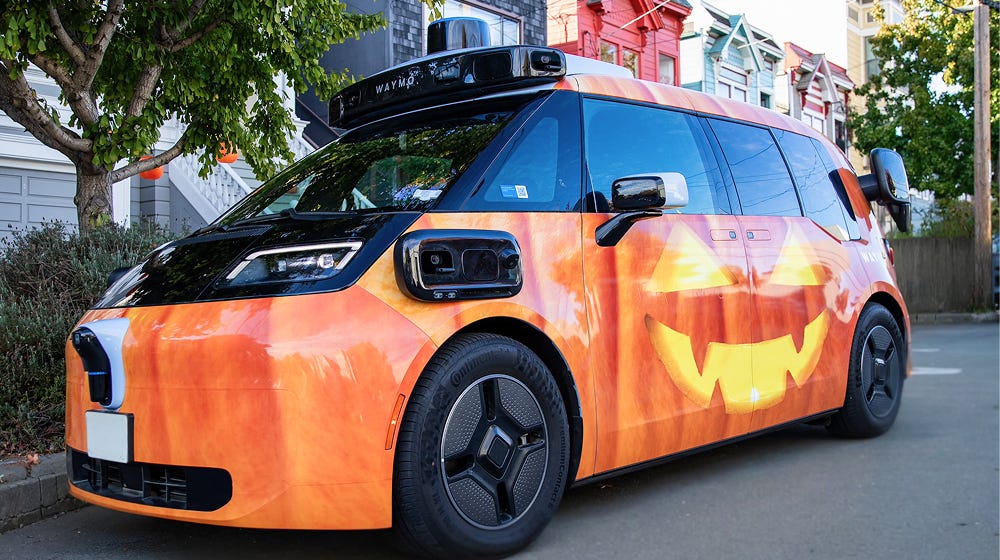
Waymo to quintuple fleet: Waymo will double its robotaxi fleet to 8,000 by the end of this year and quintuple to 20,000 by the end of next year. The fleet that is currently largely made up of Jaguar I-Paces will increasingly transition to purpose-built Ojai vans manufactured by Zeekr, a division of Chinese automaker Geely. The Zeekr vehicles do not run afoul of the law barring the importation of “connected vehicles” from China because they will only become “connected” after Waymo adds its own self-driving technology.
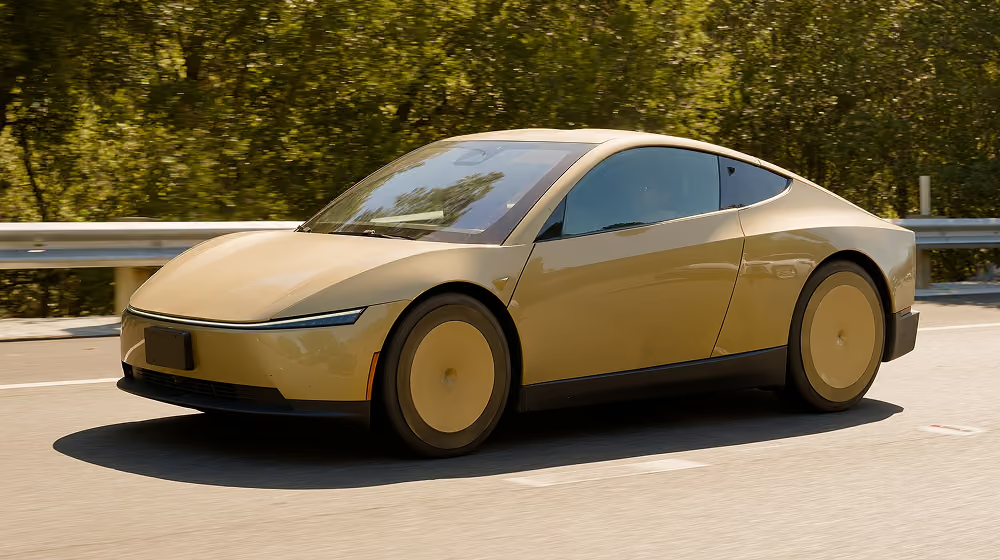
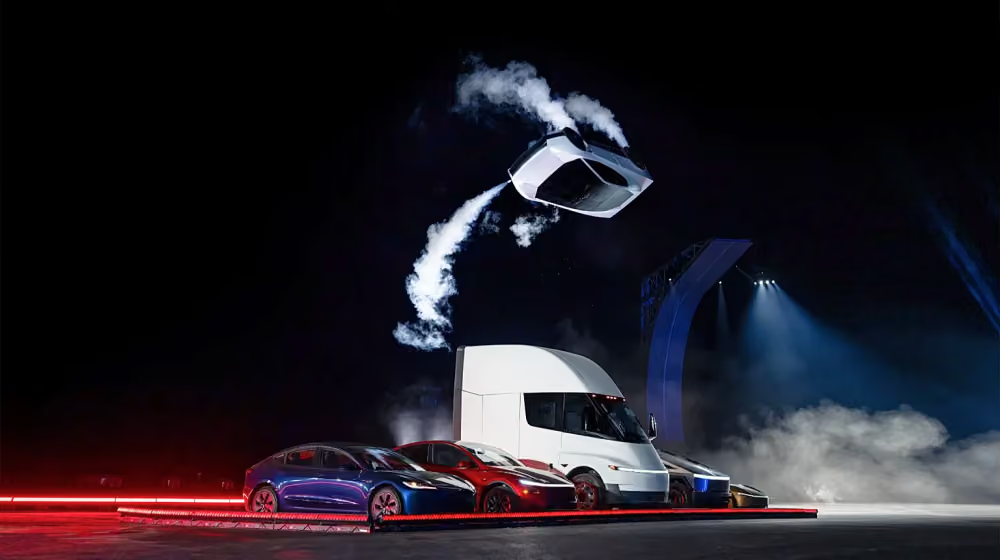
And Tesla wants to “own all transportation”: Tesla will begin deploying driverless Cybercabs in Dallas next month and plans to be in other cities by the end of the year. But that’s just the beginning of a campaign, said Vaibhav Taneja, to “literally take over every part of terrestrial transportation.” Wait, only “terrestrial” dominance? Who will be operating the robotaxis on Mars?

Join the Leading Voices in Mobility 🤩🌴
The milestone tenth edition of CoMotion LA, takes place on November 18-19, 2026 in Downtown LA at the Japanese National American Museum.
Network with transit agency representatives, city leaders, CEOs, investors, VC’s, and startups from California and accross the United States, Canada, Colombia, the United Kingdom, France, Spain, Finland, Germany, the Netherlands and more.
Grab a pass today and participate in energizing panels, keynotes, private evening receptions, workshops, demos, exhibitions, and much more!
Ford wants to power your house: The Detroit automaker unveils two new EV chargers that will allow people to power their homes with the battery of its forthcoming Fathom pickup truck. These types of capabilities are key to addressing concerns about the strain that an uptick in EVs will place on America’s creaking electric grid.
Riots vs. shared mobility: Riots in France have taken a heavy toll on shared mobility operators. In Paris Dott reports that 300 of its bikes were destroyed and 120 badly damaged. Lime reports the loss of 6% of its Paris fleet. Velib, the city-run bike-share program, reports that 350 bikes were damaged. As a result, operators are pulling their vehicles from the street. Vandalism targeting electric bikes is particularly dangerous, setting off battery fires that are extremely hard to put out.
What we’re reading
Stop blaming e-bikes for e-moto crashes: Kea Wilson writes in StreetsBlog that the alarming rise in injuries linked to illegal e-motos is often being used to restrict perfectly safe pedal-assist e-bikes by confused state legislators. It’s up to the federal government to step in and draw a distinction between the two. The Safe SPEEDS Act would be a good start, she argues.