Is 2026 Just the Beginning for Autonomy?


Save the Date
- Shape the future of mobility at CoMotion MIAMI '26 on April 28-29. Pre-Register your interest now and to be the first to know of updates and Super Early Bird pricing.
2025 was a big year for mobility. We at CoMotion hope that 2026 will be even bigger. Top of mind is where the autonomous driving revolution goes from here. A safe bet is that more American cities will welcome Waymo and more cities across Asia will embrace Chinese-made robotaxis. But what about Tesla? Will Elon Musk’s grand vision of every Tesla owner becoming a potential ride-hail operator come to fruition? It’s a reasonable ask to make of an aspiring trillionaire who is having a lot of trouble selling cars.
Meanwhile, New York celebrates a year of congestion pricing, which eliminated 27 million car trips and inaugurates a new mayor who has put public transit and active transportation at the center of his agenda. Plus, Uzbekistan forgot to password-protect its traffic cameras, Zipcar leaves car-free Londoners in the lurch, and GM envisions a car that would move with the drivers’ eyes.
Plus, a new episode of CoMotion’s Fast Forward podcast with Boston’s MONUM Executive Director and Chief of Research and Data, Shin-Pei Tsay.
What you need to know
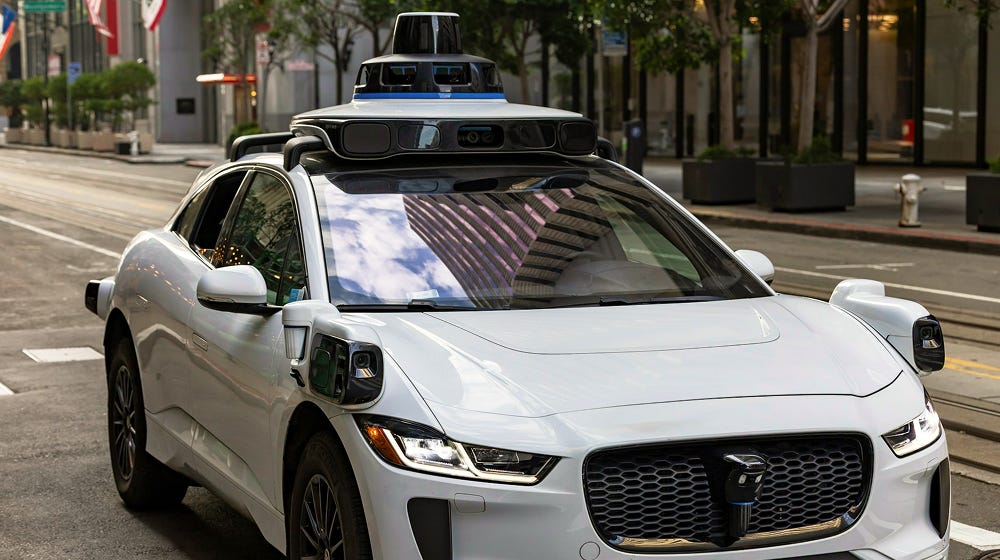
The robotaxi moves into a new era: 2025 was the year when driverless ride-hailing became a mundane part of life in a handful of American cities. Brad Stone of Bloomberg writes that Waymo and others have moved beyond tinkering with technology and are now testing out business models.
So, what’s coming for the autonomous revolution in 2026? It seems likely that Waymo will soon be operating in Houston, Dallas, San Antonio, Miami and Orlando, while it is taking baby steps into the biggest prize of them all: New York City.
The big question is how much progress Elon Musk will make on robotaxis. Right now Tesla’s presence in the market is limited to a small fleet in Austin that all have safety drivers on board. His vision for millions of Teslas offering rides for far less than Waymo seems far-fetched, but achieving that goal may be the only way he can justify Tesla’s insane valuation and become the world’s first trillionaire.
Tesla’s big tumble: Tesla sales dropped 9% in 2025, a result of backlash among liberal consumers in North America and Europe to Elon Musk’s politics and the rapid growth of Chinese competitors. China’s BYD, whose sales increased 28%, overtook Tesla as the world’s top EV maker despite its total absence in North America.
Despite that, Tesla remains the most valuable automaker in the world –– by far. In the past, its eye-popping valuation reflected a belief that it would eventually dominate the global auto market of the future. Now, however, Tesla bulls say it reflects a faith in the company’s forays into autonomous ride-hailing, energy storage and robotics. We’ll see!
Getting the Boring Things Right with Shin-Pei Tsay
In municipal elections across the country recently, incumbent mayors faced recall challenges. Not so in Boston, where Mayor Michelle Wu ran unopposed in a race that affirmed her positive, proactive approach to governing. In this episode, Nick sits down with Shin-Pei Tsay, the Chief Research and Data Officer and Executive Director at the Mayor’s Office of New Urban Mechanics (MONUM); Shin-pei has led a variety of efforts to reimagine city services to be more efficient, equitable, and fun, and speaks about the challenges and opportunities therein.

A year of congestion pricing in New York: 12 months after the implementation of New York City’s congestion toll, the results are dramatic. About 27 million fewer vehicles entered Manhattan’s central business district in the past year, transit ridership is up, traffic is moving faster, and serious road injuries are significantly down.
Waymo Plays Dodgeball: A researcher stumbles upon code for Waymo’s AI assistant that instructs it to deflect uncomfortable questions from customers.
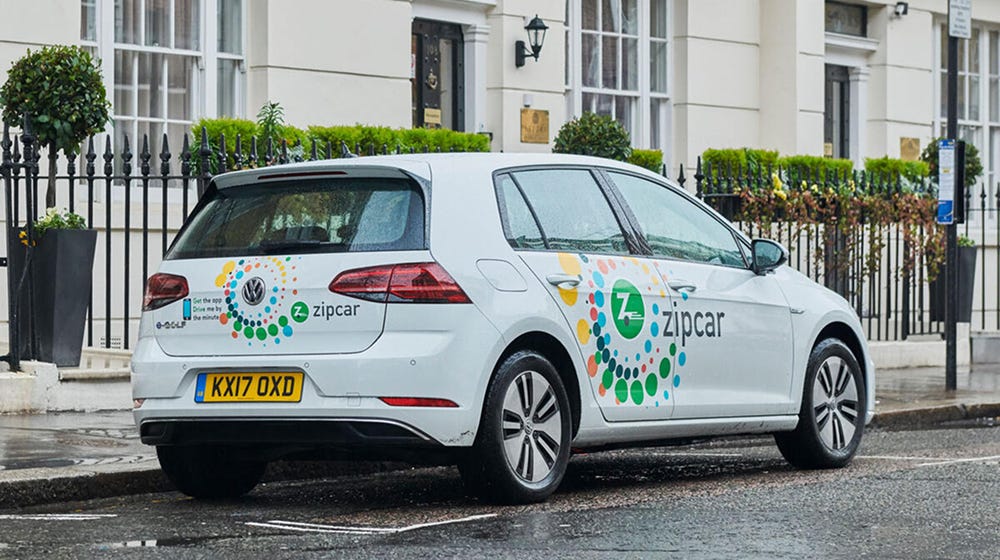
Zipcar leaves Londoners in the lurch: Zipcar, the car-sharing service, exited the United Kingdom in response to rising costs, including the hefty £13.50 toll levied on cars entering central London’s congestion zone. It’s a tough pill to swallow for many of the car-free Londoners who relied on Zipcar for occasional trips that couldn’t be done on foot, transit or bike. Some industry observers say public policy needs to change to make car-sharing economically feasible - the service had to go through 33 jurisdictions in London alone just to operate.
Mamdani rescues Brooklyn bike lane: On the third day of his new job, New York Mayor Zohran Mamdani revived a pedestrian and bike-oriented redesign of a major Brooklyn thoroughfare that was obstructed by one of the more bizarre corruption scandals that engulfed the administration of his predecessor, Eric Adams. A city official allegedly agreed to scuttle redesign of McGuinness Boulevard, a road whose dangerous, car-oriented design is a remnant of Robert Moses’ imprint on the city, in exchange for an appearance on The Godfather of Harlem, a TV show.
Epi Ludvik, Bold Awards, Founder sits down with John Rossant, CoMotion, Founder & CEO as he reflects on the bold vision behind the company, the risky decisions that shaped its trajectory, and the unexpected encounters that changed his own perspective on the future of mobility. He shares insights from working across global markets, his involvement with the Monaco Hydrogen Alliance, and why collaboration and trust are the true accelerators of sustainable urban transformation.
China’s burgeoning industrial tourism sector (paywall): The Wall Street Journal shines a light on the hottest new fad among ambitious parents in China: taking your kid on a tour of a high-tech factory. Parents hope that a glimpse of industrial wonder will inspire their kids to study hard and pursue STEM careers. The trend aligns with China’s efforts to instill national pride around technology and industry; the municipal government of Beijing hopes to host 20 million “industrial tourists” by 2027.
Uzbekistan’s embarrassing traffic camera breach: Uzbekistan’s national network of high-resolution roadside cameras that automatically scan license plates and record traffic violations was found exposed on the open internet without password protection, potentially revealing millions of photos, 4K videos and the real-time movements of vehicles nationwide. It’s a cautionary tale on the risks to privacy and security for other countries that are building out traffic camera systems.
Uber faces scrutiny over background checks: A New York Times investigation highlights a number of violent crimes that Uber’s background check system has overlooked in a number of states.
Beware of your gaze: If you really want to get into the weeds, you can check out this patent application filed by GM for a tool that would make a car change lanes based on the driver’s eye movement.
What we’re reading
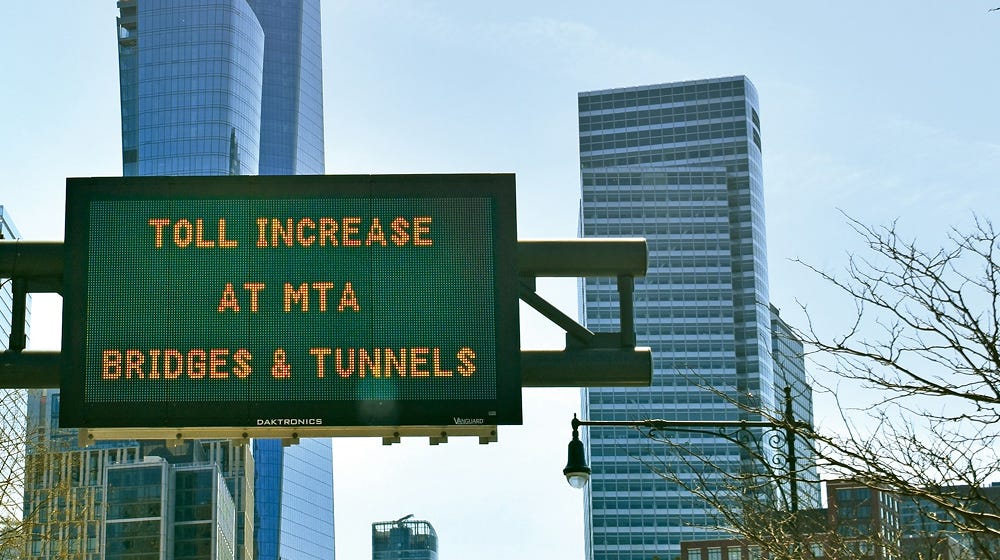
The multi-modal wins in 2025: In Bloomberg CityLab, David Zipper highlights progress against car culture across the U.S., including new dedicated bus lanes in Miami, Los Angeles and Minneapolis; the success of congestion pricing in New York; the expansion of Washington D.C.’s public transit system (and return to near pre-pandemic ridership); a new law in Illinois that will inject billions into transit systems; and even President Trump’s endorsement of tiny cars!
The conservative case for the REPAIR Act: In StreetsBlog, Jarah Jacquay argues that Republicans in Congress should support the REPAIR Infrastructure Act, which would reauthorize the Biden era Reconnecting Communities program and allocate $3 billion a year to “remove, retrofit, or mitigate divisive transportation infrastructure that creates barriers to economic opportunity.” Because Reconnecting Communities was largely framed in racial equity terms, it was easy for Republicans to dismiss it as “woke” or “DEI,” but Jacquay says that the program can also be justified in simple economic development, pro-growth terms.