Nothing’s Running on Schedule


We’re not overflowing with optimism today. Waymo is pulling its cars off the highways in four cities and is pausing service entirely in six others due to issues with construction zones and flooded streets. New data show that America’s transit agencies are spending more than ever to serve fewer people, and the recent conclusion of a New York rail strike helps explain why. Worse, the UK appears to have adopted American transit incompetence and is also taking decades and hundreds of billions of dollars to build new rail lines. We’ll try to find some better news for you on Thursday!
What you need to know
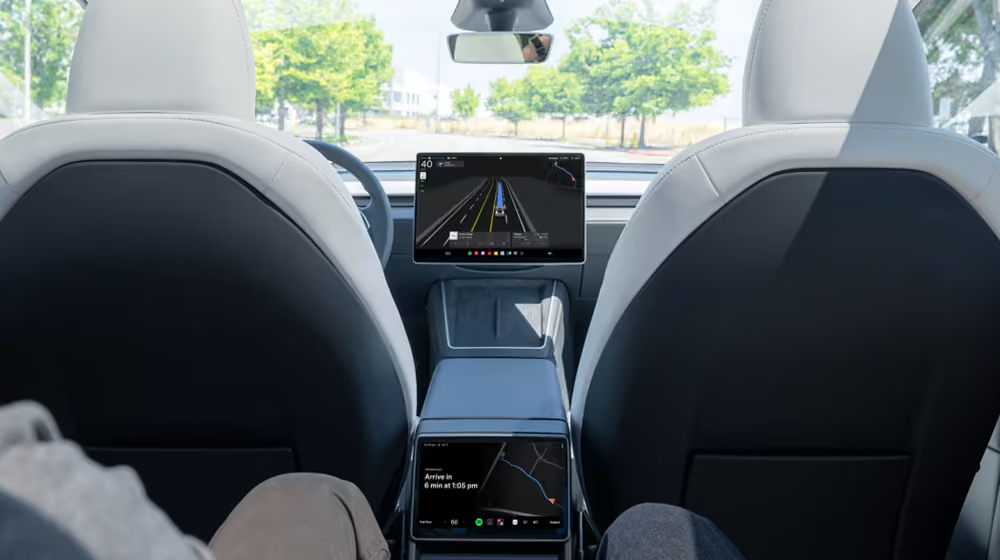
Waymo hits a speed bump: First the Alphabet-owned robotaxi operator paused service in five cities over concerns about its vehicles’ ability to detect and avoid flooded streets. Then it directed its vehicles to avoid freeways in at least four more cities — San Francisco, Los Angeles, Phoenix, Miami — in response to concerns about how its vehicles were behaving near highway construction zones.
Delivery Hero turns down Uber: German food delivery app Delivery Hero rebuffs an $11 billion purchase offer from Uber. The U.S. ride-hail giant is reportedly considering making an even higher offer to try to close the deal, in a similar move to rival Doordash, who acquired Deliveroo last year.
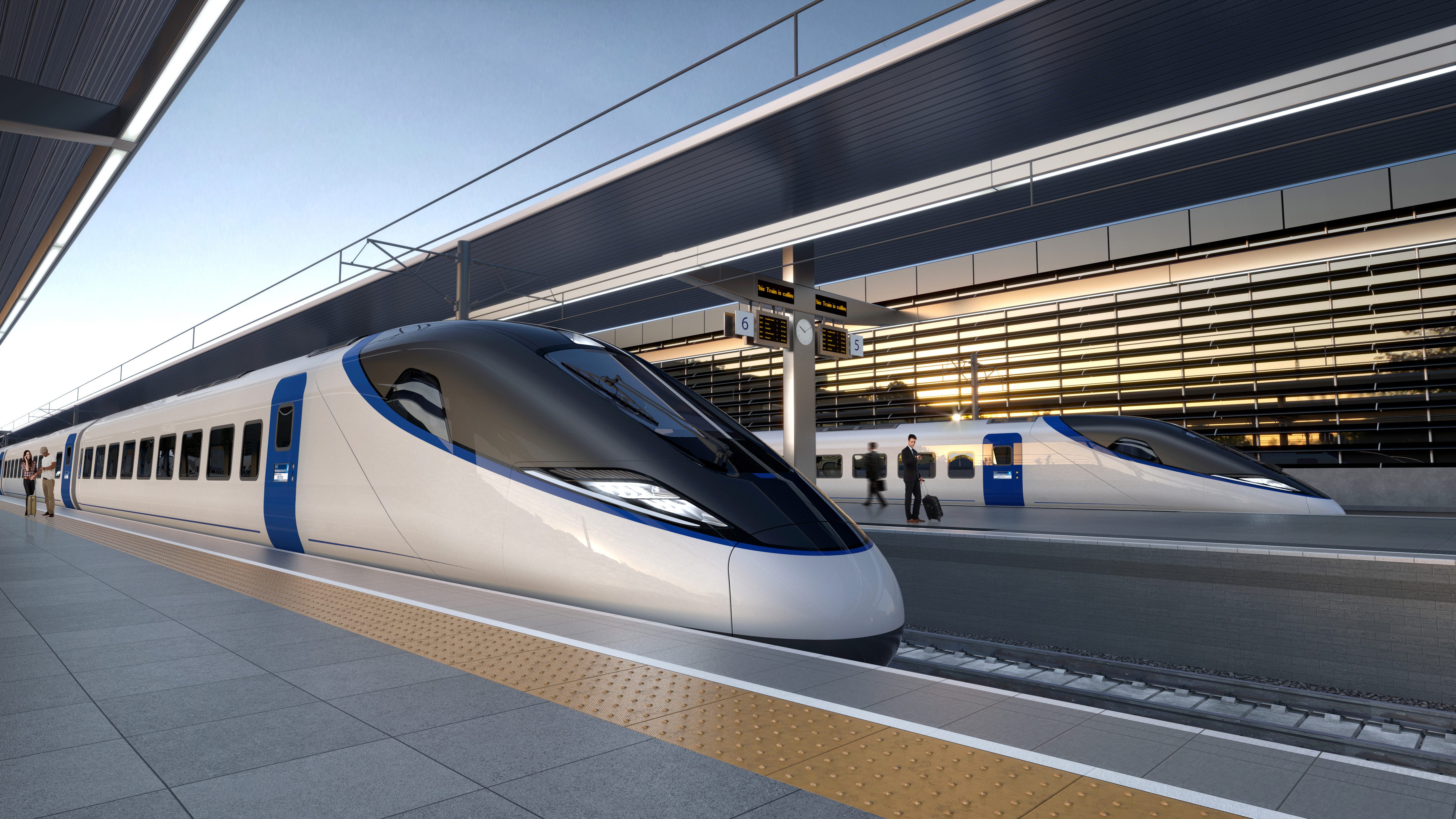
Transit cost disease migrates to UK: The long-awaited H2 high speed rail line connecting London to Birmingham will likely not be complete until 2039 (13 years later than planned) and will cost £102.7bn, a cool £70 billion more than the original estimate. It’s a story whose woes are redolent of California’s quixotic High Speed Rail project, which is also many years overdue and tens of billions over budget. But Europeans are supposed to be better at this stuff. What’s going on in the UK?
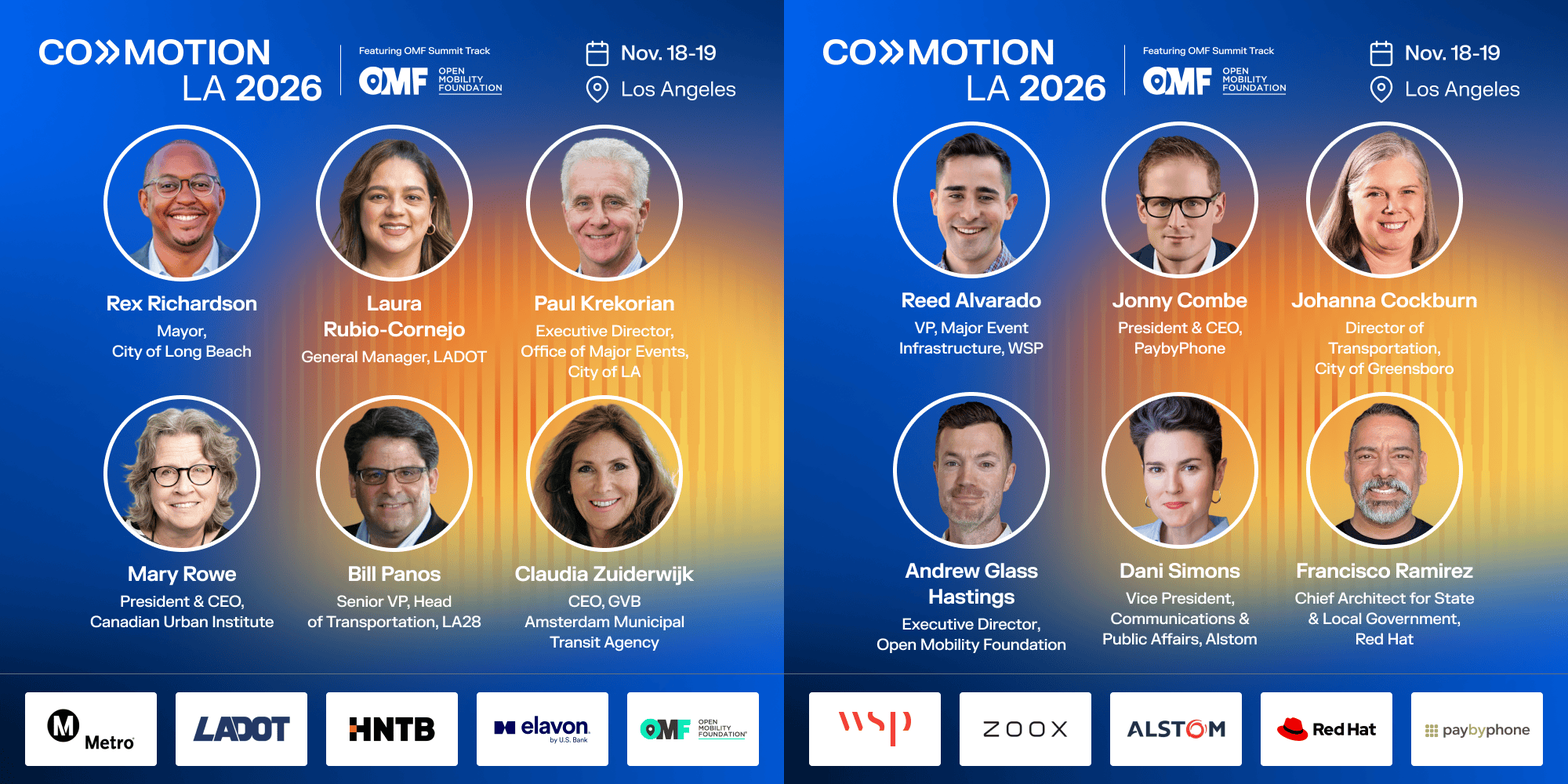
Cities on the Move: Mega-Events, AI & Shaping What’s Next
CoMotion LA is back and bigger than ever this Nov. 18-19 for a very special 10th edition featuring the OMF Summit Track.
Join 120+ speakers and 1,200+ mobility experts from around the world in the City of Angels to explore how major global events and emerging technologies are accelerating mobility innovation. View speakers.
Why wait? Secure the Super Early Bird price today.
A course correction on California high-speed rail? Speaking of California’s never-ending rail project, Xavier Bercerra, the leading Democratic candidate for California governor, says he would “scrap” the current configuration for the bullet train between Los Angeles and San Francisco but also pledged to get it done “on budget and on time.” It’s a strange promise, since the much-maligned high speed rail plan, first approved by voters in 2008, is already six years past deadline and many tens of billions of dollars over the initial budget projection. Curiously, Gov. Gavin Newsom, who has a long record of expressing skepticism about the project, has in recent years become one of its most vocal champions.
Higher wages, no reforms: Employees of the Long Island Rail Road, the most popular commuter rail service in North America, end a three day strike after the MTA agreed to wage hikes. Unfortunately, the MTA was not able to win any reforms to antiquated work rules that the agency says drives up the cost of service and reduces staffing flexibility. New York unions have fiercely defended rules that many transit experts consider obsolete and recently backed a law vetoed by Gov. Kathy Hochul to require two conductors on every New York subway.
What we’re reading
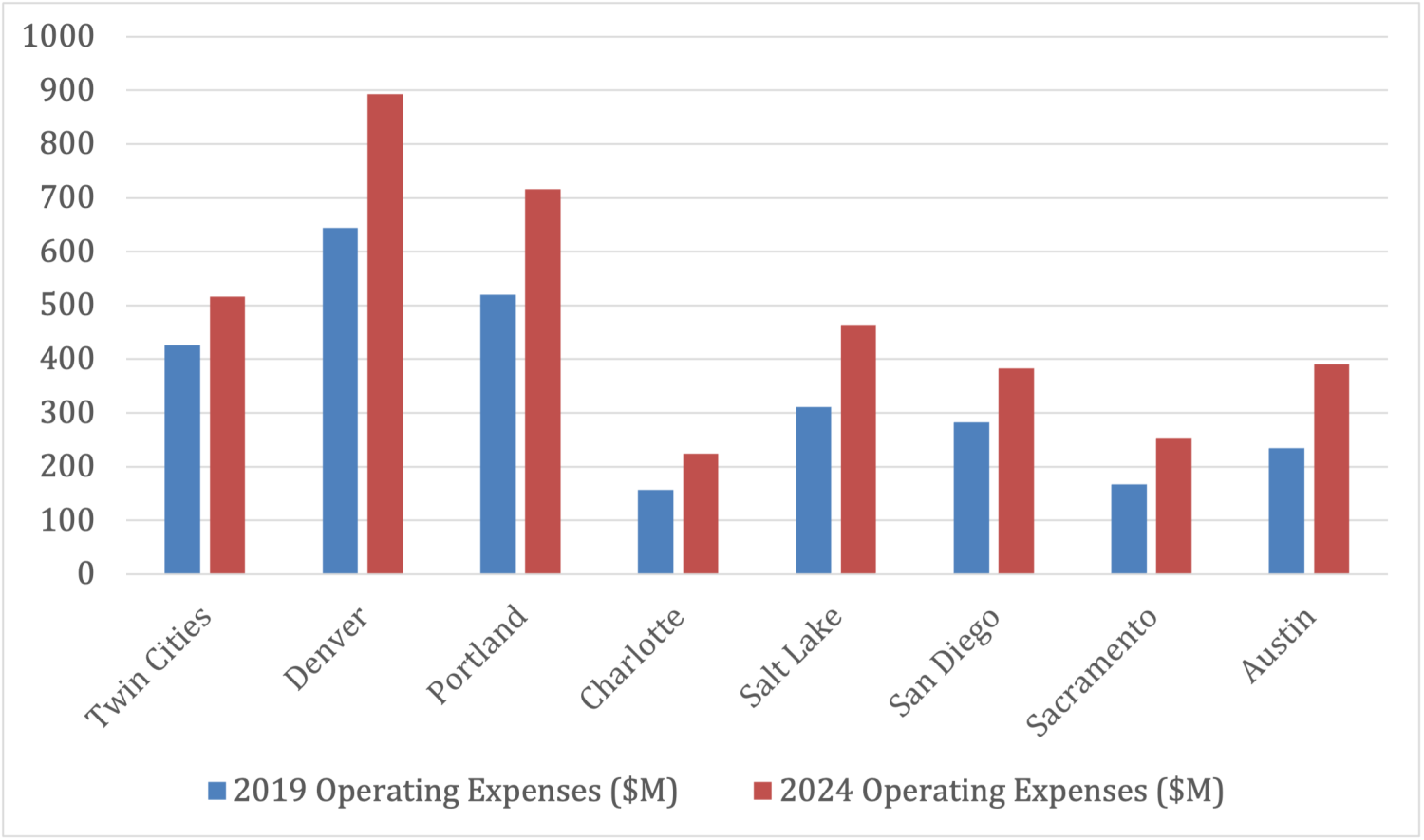
America’s transit woes in nine charts: The Eno Center for Transportation offers some sobering data on the state of public transit in the U.S. The worst thing is not necessarily that ridership hasn’t returned to pre-pandemic levels, but that costs have skyrocketed. As a result, fare revenue accounts for a much smaller share of transit revenue, putting pressure on agencies to either cut service or find other funding sources - most likely sales taxes, which often fall on those already needing the service most.