The Trump administration’s warning to AV companies


Save the Date
CoMotion LA ‘26 is back November 18-19 for a very special 10th edition: Cities on the Move: Mega-events, AI & Shaping What’s Next — featuring the OMF Summit Track.
Similar to its hands-off approach to AI, the Trump administration has generally adopted a friendly stance towards autonomous vehicles. But last week the government’s top transportation safety official told AV developers they need to do a lot better in their interactions with emergency vehicles. Fire trucks, police cars and ambulances are not “edge cases,” he said. Meanwhile, New Jersey is taking a step towards embracing autonomous vehicles, but sticking it to Elon in the process. This is all a reminder that technology does not operate independent of politics, especially when it’s operating in the public right of way.
What you need to know
Emergency vehicles are not an “edge case” for AVs: The head of the National Highway Traffic Safety Administration sends a sharply worded letter to autonomous vehicle developers, telling them their vehicles need to stop interfering with first responders. Repeated instances of AVs blocking emergency vehicles or driving into emergency scenes “represent a functional insufficiency,” that is far from a “rare or extreme ‘edge case,’” wrote Administrator Jonathan Morrison.
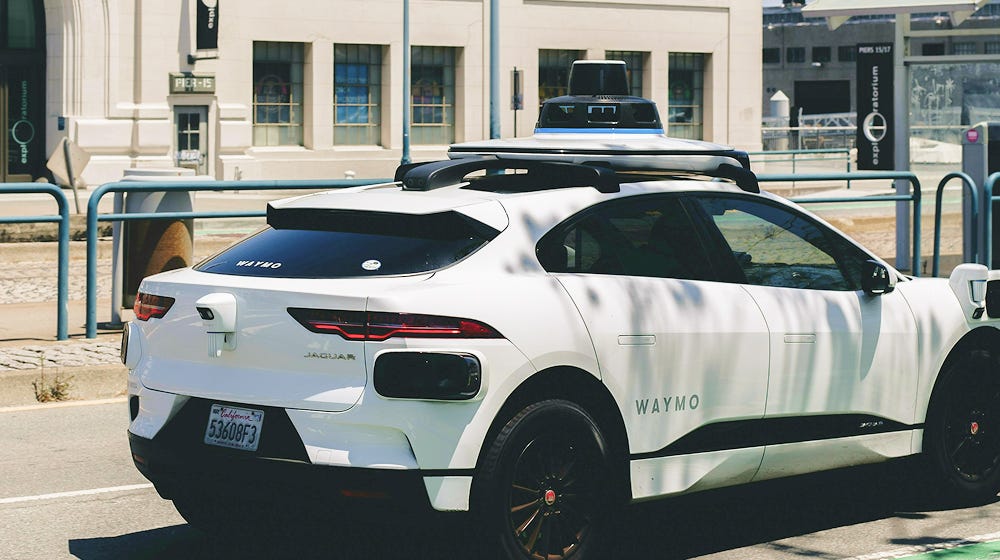
What about fireworks? An occupied Waymo was filmed driving over an exploding firework on the streets of San Francisco during 4th of July festivities. It was an unwise move, but fortunately nobody was hurt. On the same night a number of other Waymo vehicles had to be towed after apparently getting stuck in gridlock traffic and running out of battery.
Jersey takes aim at Tesla: A proposed law in New Jersey to authorize fully autonomous vehicle testing in the Garden State would require participating vehicles to use both camera-based sensors and two other types of sensors, such as radar or lidar. This would of course exclude Tesla, which uses a camera-only approach. Unsurprisingly, the world’s most valuable automaker is not happy about it and is urging legions of Tesla owners to contact their lawmakers in support of Tesla’s “life-changing technology.” Somewhat surprisingly, however, Elon Musk has yet to tweet about it.
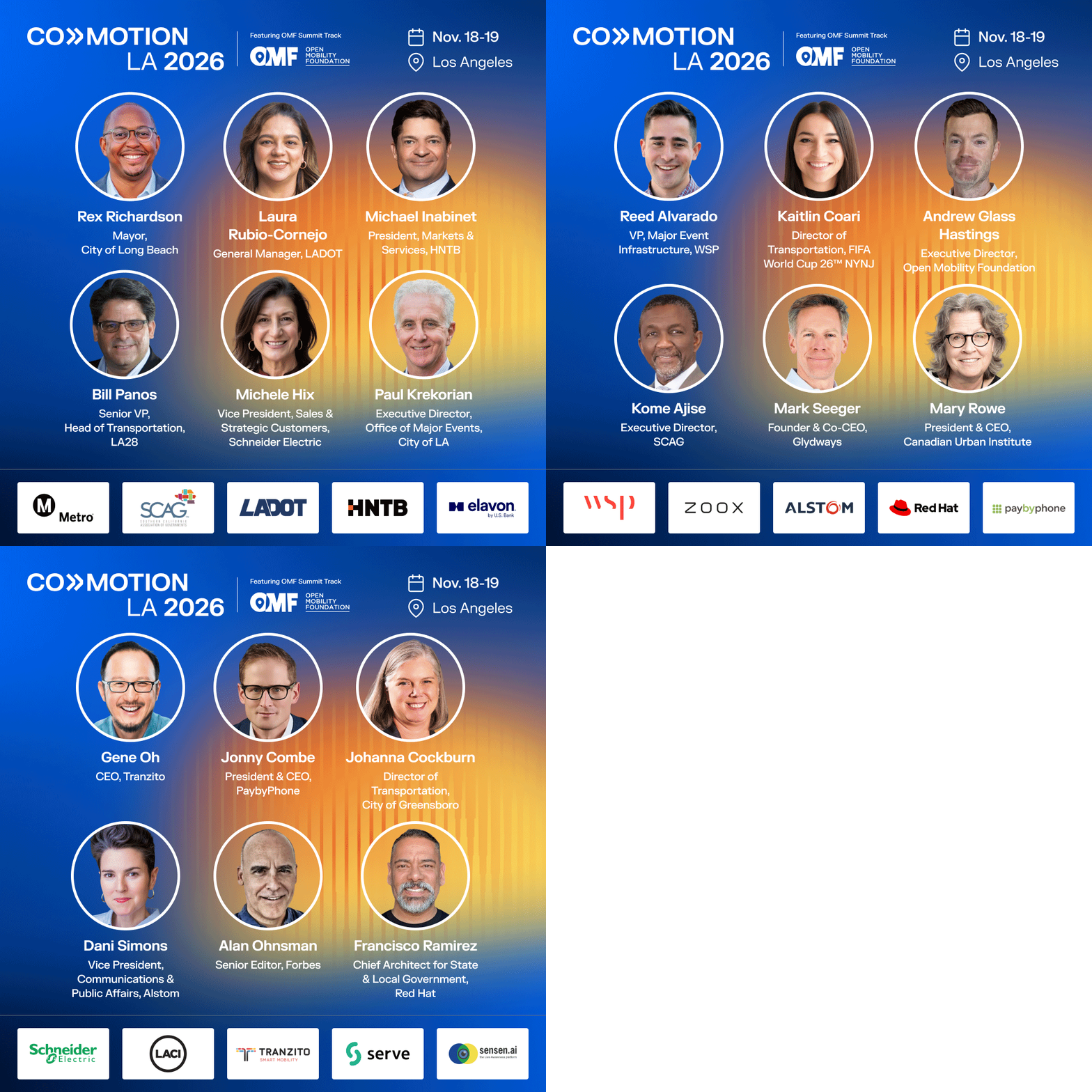
CoMotion LA is back and bigger than ever this Nov. 18-19 for a very special 10th edition featuring the OMF Summit Track.
Join 120+ speakers and 1,200+ mobility experts from around the world in the City of Angels to explore how major global events and emerging technologies are accelerating mobility innovation.
More speakers and partners are being confirmed everyday.
Why wait? Secure the Super Early Bird price today and save $1000!
Fast buses > free buses: New York Mayor Zohran Mamdani teams up with Gov. Kathy Hochul to announce plans to improve bus service, including by creating more bus-only lanes, implementing tapy2pay and all-door boarding, and providing more benches and shade at bus stops. Many transit advocates hope this means Mamdani has chosen to focus on improving service for the city’s long-overlooked bus system rather than making it free, as he pledged to do during his campaign. The mayor insists, however, that his goal is to make them “fast and free” eventually.

How about near-free buses? Austin’s Cap Metro is proposing its first first fare hike in over a decade. The current fare, $1.25, is by far the lowest for a city of its size. And yet some worry that raising the fare even to $2 could further reduce ridership but not meaningfully boost funding for the agency, which only gets about 5% of its revenue from fares anyway. Meanwhile, Cap Metro’s drivers are inching closer to a strike. They accuse French transit operator Keolis of skimping on training for new drivers — at a significant cost to service quality.
What we’re reading
Choosing beauty over billboards: In a piece for Reasons to be Cheerful, Peter Yeung takes a look at how Grenoble, the city of 150,000 in the French Alps, became the first European city to ban billboards as part of a battle against “visual pollution” in the public realm.