The flying car distraction?


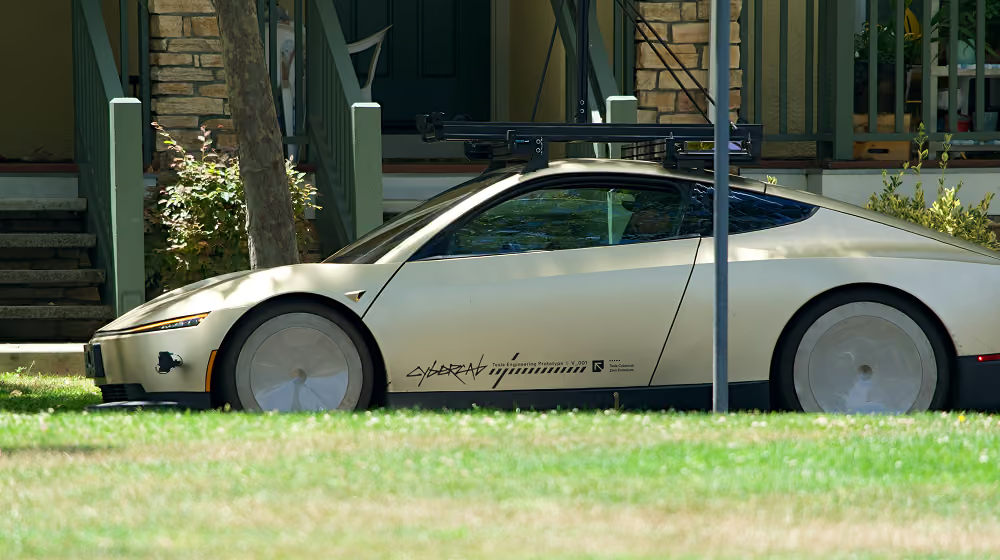
The news that got the most attention in the past week was the Tesla Roadster doing backflips. But once the wonder at the stunts dissipated, we realized nothing had fundamentally changed about the trajectory of mobility. The central question for Tesla remains whether it will be able to scale autonomous ride-hailing to compete (or overtake) the likes of Waymo.
Los Angeles and Paris also offer an interesting contrast on the matter of mobility abundance. LA, like many U.S. cities, is struggling to make good on big transportation promises, while Paris, which has transformed itself in less than a decade into a cycling and pedestrian paradise, announces another big expansion of its cycling network.
What you need to know
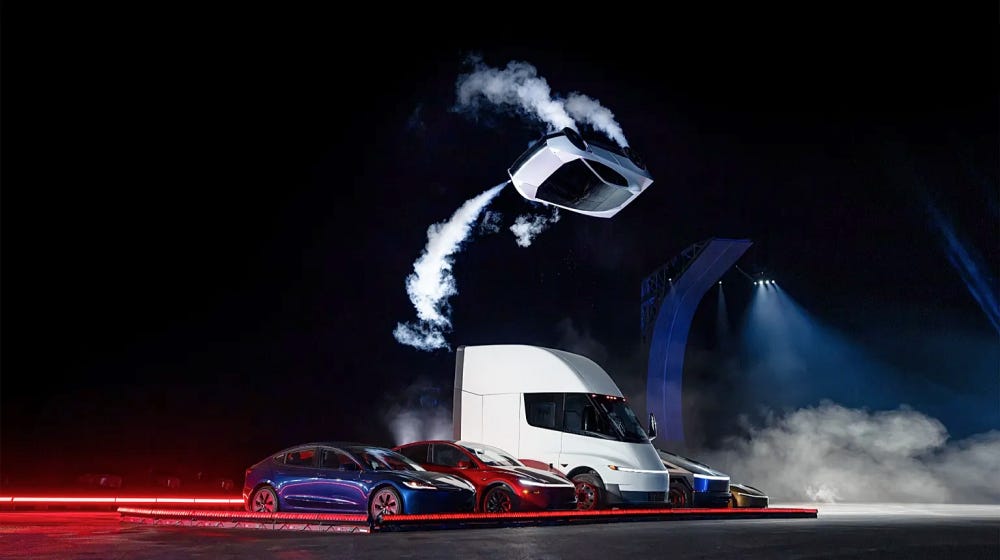
Should we care about the Tesla Roadster? The unveiling of a prototype for the new Tesla Roadster was certainly interesting. A car doing flips is impressive. But is it important? In general, the world took it in stride. Tesla’s stock barely moved and more than a few commentators scoffed at the theatrics as a silly distraction from what Musk has said is the company’s core mission: robotaxis and robots.
Mobility abundance in the LA mayor’s race: Mayoral candidate Nithya Raman is harnessing frustration among Angelenos about the slow pace of transportation improvements. In some cases civic activists have begun to take matters into their own hands, illegally filling potholes or painting crosswalks themselves.
Raman has put particular emphasis on the Skylink “people mover” train planned for LAX airport, which is years behind schedule and over $1 billion over budget. This is the latest example of an ostensibly leftist politician embracing the Abundance critique of blue city governance, which is typically (but often mistakenly) associated with centrist politics. New York’s Zohran Mamdani is the most prominent example of the phenomenon; the democratic socialist has made getting things built (from new bus lanes to filling potholes) central to his public persona as mayor.
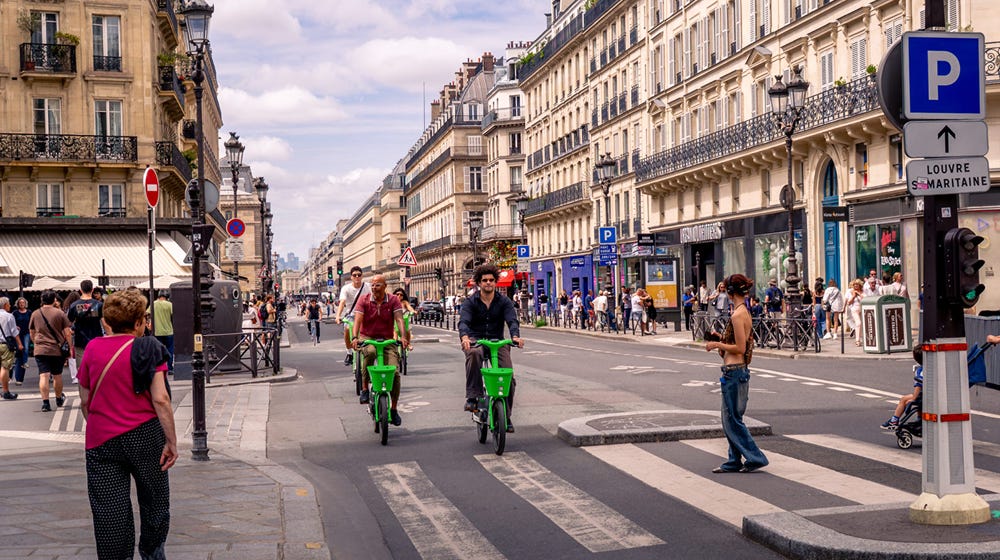
Paris doubles down on cycling: One thing that the riots in France will hopefully not be able to topple is the formidable cycling network built in Paris since the pandemic. That is because the network itself is hardly an architectural wonder but simply the result of reallocating space on the streets from cars to bikes. Now the capital city plans to spend another $225 million to expand the network of protected bike lanes by an additional 140 kilometers (87 miles) by 2032.
Miami’s reimagined rail corridor: The Urban Land Institute looks at how the Magic City has activated the space underneath its elevated rail system, turning it into a linear park that has spurred nearby development.
Robots v. Philly, Round 3: A Philadelphia woman was arrested for disorderly conduct after refusing multiple commands by police officers to stop blocking an Uber delivery robot. Carolyn Marvin has no regrets, telling local reporters that she tries to obstruct delivery robots whenever possible because they threaten jobs. This is hardly the first drama involving robots on the Philly streets. It was in Philadelphia that hitchBot, the “hitchhiking robot” met his grisly demise.
What we’re reading
The Flying Car Must Never Be Built: In the Atlantic, Ian Bogost comments that the flying car is “not an impressive dream — or at least it hasn’t been since the Wright brothers more or less attained it.” And yet, it is a dream that endures because, “once the individual freedom of the automobile became universal, and the roads clogged with thousands of varmints in the rat race, the blue sky above looked like liberty.”