The Joyful Commute: Systematica’s UX Mobility Framework

A chat with Xenia Adjoubei, Principal, Growth Lead, Systematica; Rawad Choubassi, Senior Partner, Managing Director, Systematica and CoMotion’s Jack Craver.
What If Cities Planned for Joy? Inside Systematica’s Vision for Experiential Mobility
What is the point of transportation planning? It’s to figure out how to move people as quickly and safely as possible, right? Not according to Systematica. The mobility consultancy believes that transportation is not merely about the outcome, but the experience. The company recently published a book, UX Mobility, that explains the philosophy of building cities where trips (on foot, bike, car, transit) are not just a means to an end. To help me better understand the concept, I recently spoke with Managing Director Rawad Choubassi and Senior Growth Lead Xenia Adjoubei Kwan.
Jack: So tell me about Systematica. What sets you apart from other design firms?
Xenia: We don’t just think about how to get people from Point A to Point B. We think about how to make that trip as enjoyable as possible, no matter how you’re traveling.
Jack: You’ve just published a book, UX Mobility. What’s the premise?
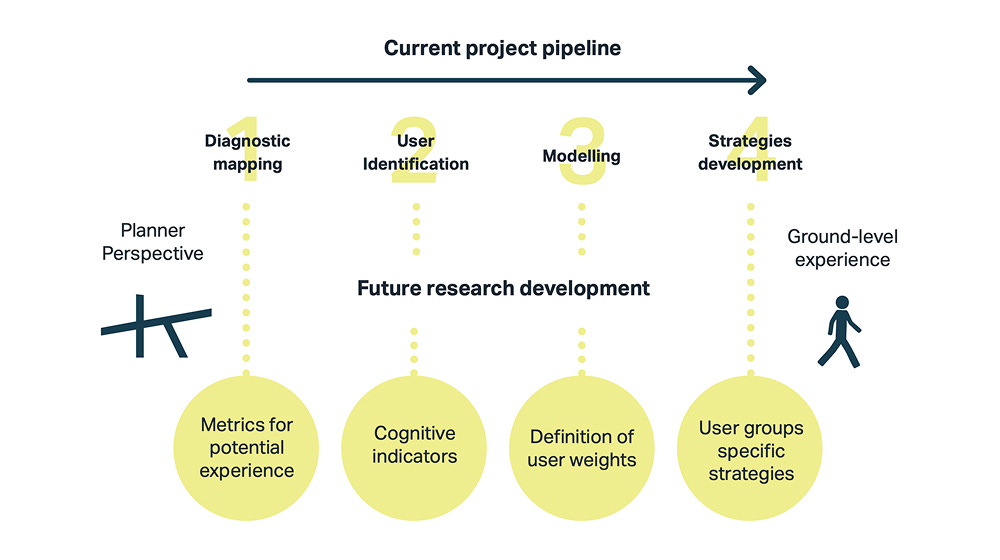
Xenia: People want different things when they’re moving around a city. They seek different experiences. One person may want to get to their destination as quickly as possible. Another may want to stroll down a bustling street where they can stop into shops along the way. Yet another seeks to connect with nature on a bike ride through the park. Cities can make all of these experiences possible when they think about mobility more holistically.
Jack: What is the conventional approach to transportation planning and what went wrong with it?
Rawad: Quite a few things went wrong. Mobility planning has traditionally been very utilitarian. How to make a city more efficient, how to make things faster. Everything was boiled down to numbers.
Consider a traditional performance metric like “Level of Service,” which focuses on maximizing the flow of vehicles through an intersection. It misses a lot of qualitative aspects, it misses the experience.
There is often only one way of looking at people who use the infrastructure. We’re often only thinking about them as commuters, for instance. There is a lot more potential in a single trip if it is designed to meet other needs. Think of having a gym in a train station or an equipped working space in a shopping mall.
Jack: When you say these things, my mind immediately goes to the way so many cities reinvented themselves for cars, often to the great detriment of the culture and vibrancy of the city. But do you also see similar problems in how we design other forms of infrastructure, such as public transit?
Rawad: Sure. Obviously there is a role for mass rapid transit that moves a lot of people very quickly, like the New York Subway. But I think it’s important for cities to consider how to make the public transit experience friendlier.
Sometimes planners don’t take into account the user experience upon arrival at your destination. Sure, frequency is important for ridership, but people also aren’t going to ride the train if it feels unsafe or uncomfortable.
“There is huge potential in making the station and surrounding area more enticing, more interesting. You can increase ridership just through good curation of the journey experience.”
Jack: What opportunities or challenges do autonomous vehicles present?
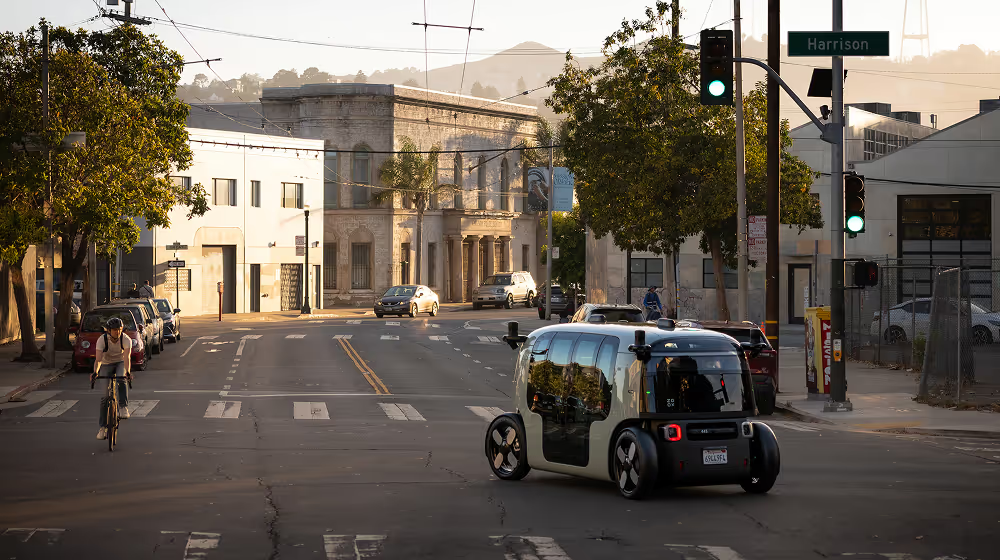
Self-driving tech could be a big help in terms of giving you more control over how your trip feels. For example, you might be able to set the speed based on your comfort level or choose a route based on your mood. Some of these features don’t exist yet, and that’s exactly what we’re working on — building apps that make your journey about more than just getting from point A to point B as fast as possible.
There’s also tremendous potential for AVs to make transportation more affordable and equitable. Robotaxi services could become a public good, accessible to everyone at different prices based on income. The goal is to make sure that everyone in the community — regardless of their background — has access to the transportation they need.
Jack: So what is the ideal city of the future?
Rawad: If I were to design a city for tomorrow, it would actually be a city that not only runs, but takes a pause to observe and reflect. Curating the experience by reducing speed differentials in a single space is a very good first step. The cars shouldn’t be moving so much faster than everyone else. Think of complete streets where pedestrians, bikes, buses and cars move in unison.