Robotaxis’ public opinion problem


Save the Date

Dive into the future of mobility at CoMotion MIAMI ‘26, “Urban Mobility in the Age of AI”, on April 28-29 at Miami Dade College. Register now - limited passes still available.
If you live and breathe future mobility news, the idea of somebody saying they’ll never ride in a robotaxi likely strikes you as absurd. And yet, that is exactly what most Americans say, according to a recent poll. It’s a useful reminder that Waymo and other robotaxi operators must proceed very cautiously as they try to win the hearts and minds of consumers, regulators and elected officials.
We’ve talked a lot recently about rising gas prices, but there’s another big reason driving feels so expensive today: automakers have stopped making cheap cars –– at least for the U.S. market. Detroit’s neglect of budget-conscious consumers offers a huge opening for China’s rapidly-growing auto sector, which has taken the European market by storm.
What you need to know
America is not sold on robotaxis: In a survey of U.S. residents by the Electric Vehicle Intelligence Report, 53% said they would never ride in a self-driving taxi and 26% are not considering it. Even if assured that they are 100% safe, 42% of Americans stick with their anti-AV stance and only 19% of consumers said that a $5 price difference between a human-driven cab and an autonomous cab would prompt them to opt for the latter.
It would be interesting to see how public opinion differs in cities that have already been exposed to substantial robotaxi operations, such as San Francisco, Phoenix and Austin. Obviously Waymo has not had any trouble finding customers in these markets and there is no shortage of robotaxi boosters who argue that AVs make driving vastly safer. It stands to reason that people will become more comfortable with AVs as Waymo and other operators expand into more cities, but this survey suggests that robotaxi operators can afford few if any mishaps. Data showing that they’re safer than human drivers isn’t going to be good enough. They have to be near-perfect.
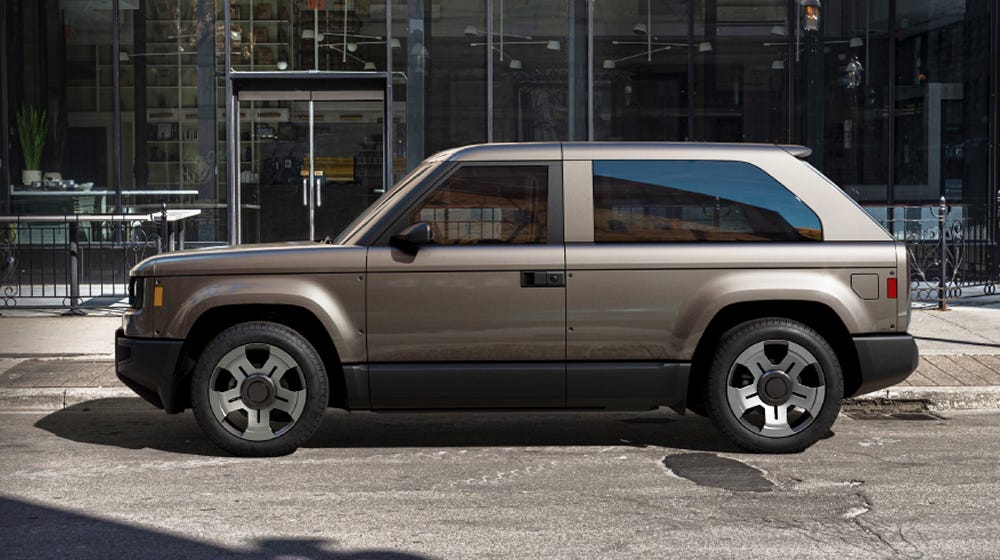
More money for cheap electric trucks: Slate Auto, the EV startup backed by Jeff Bezos, raises another $650 million as it prepares to begin production of a bare-bones electric pickup priced below $30,000. It’s a strategy that runs directly counter to the trend among other U.S. automakers, which have largely abandoned entry-level vehicles in favor of monster trucks and SUVs that offer high profit margins.
Chinese EV sales top 1 million in Europe: China’s burgeoning auto sector is gobbling up market share in Europe at the expense of domestic and Japanese brands. Imports of Chinese cars rose 30% last year to just over 1 million units, although the value of the sales only rose 4%, an indication that much of the Chinese automakers’ success is linked to an aggressive pricing strategy that may not be sustainable.
Ontario embraces speeding: The city of Ottawa reports that speeding in school zones has skyrocketed after the Ontario provincial government, led by car culture champion Doug Ford, forced the city to take down its automated speed enforcement cameras. Three months after they were removed, compliance with the posted speed limit has dropped from 87% to 44%. Ford has similarly clashed with the city of Toronto over bike infrastructure and other measures that he believes inconvenience suburban commuters.
What we’re reading
What happened to cheap cars? The New York Times examines the decades-long shift among automakers towards luxury vehicles. Adjusted for inflation, there were 12 models available to U.S. consumers for $25,000 or less in 2012. Now there are only four. The only obvious way to reverse the trend is very unpalatable politically: allow Chinese cars into the market.
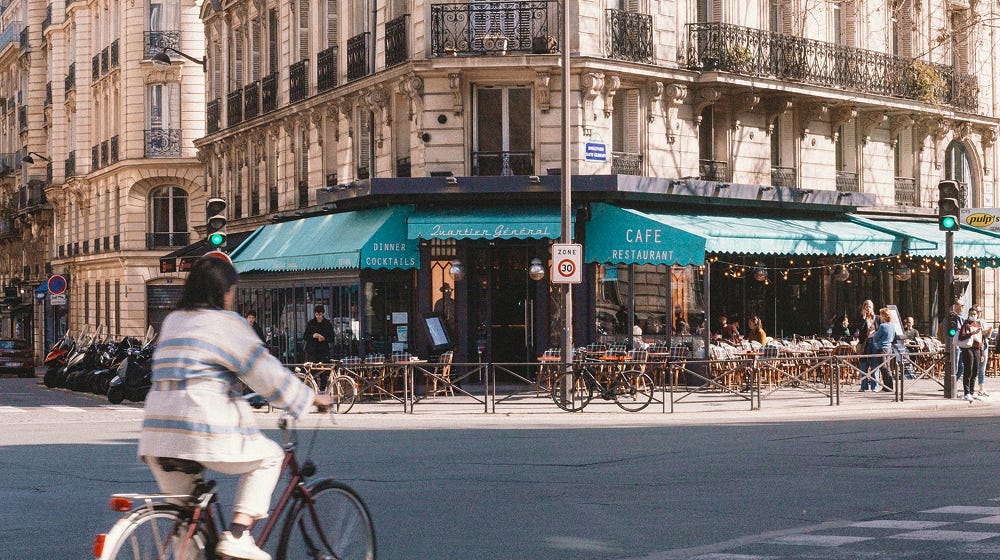
Paris’s unique bike strategy: Los Angeles transportation wonk Alissa Walker is traveling in France, picking up lessons for her hometown as it tries to become more hospitable to humans existing outside of automobiles. She is struck by Paris’s recent transformation into a cycling utopia, distinct from many other bike-friendly cities in that its comprehensive bike network is built largely on what she calls “quick and dirty changes” that simply reallocate space on the road from cars to bikes.