What does the blue wave mean for mobility?


Elections have consequences. Sometimes they’re clear, such as Bay Area residents voting Tuesday to raise their taxes to save their transit systems. But it’s hard to know what the implications are of the Democratic wave that swept the U.S. this week. But there are some informed guesses we can make about the general direction (e.g. more support for transit). And of course, there are some good stories that have nothing to do with the election!
What you need to know

Big win for transit in Bay Area: Voters in the Bay Area handily approved two tax measures to save regional transit agencies BART, Muni, AC transit and Caltrain from devastating cuts. Measure RTM, which imposes a 1% sales tax in San Francisco and a 0.5% sales tax in surrounding counties, is expected to generate $1 billion a year for regional transit. Another measure, Prop H, will levy a parcel tax on large properties in San Francisco to generate $180 million for transit within the city of San Francisco.
…and in Seattle: Voters in Seattle similarly approved doubling the sales tax dedicated to transit. The measure, which is projected to generate about $138 million annually, was put on the ballot to prevent cuts to bus service.
…and in Colorado: Voters approved a sales tax to fund a portion of an intercity rail route that goes through Denver, stretching north to Fort Collins and south to Puebla.
Pennsylvania Democrats can finally save SEPTA: The funding crisis threatening Philadelphia’s creaking transit system may finally be resolved now that Democrats have captured total control of state government. Transit advocates will be pushing for the legislature to set up a permanent revenue source for state transit agencies, potentially allowing for SEPTA and smaller agencies to pursue expanded service and make critical upgrades to woefully outdated infrastructure.
What about Texas? Democrats’ shocking landslide victories in Texas, where they ousted the governor and retook the state house, could have major transportation implications. Cities no longer have to fear state interference with light rail plans or active mobility investments and there is renewed optimism about building passenger rail between Dallas, Houston, Austin and San Antonio. Outgoing Gov. Greg Abbott had also implemented a moratorium on highway tolls; the new blood in state government may reconsider this.
Port of No Return: The Race to Zero Emissions with Noel Hacegaba
The Port of Long Beach is one of the most important gateways for international trade in the United States. In 2025, it handled nearly 10 million shipping containers - roughly 27,000 twenty-foot equivalent units every single day. Together with the neighboring Port of Los Angeles, it accounts for roughly a third of all containerized imports entering the country.
What’s remarkable is that the Port of Long Beach has managed to dramatically reduce pollution even as its operations have grown. Since 2005, diesel particulate emissions have fallen by more than 90%, while cargo volumes have increased by roughly 20%.
On this episode, host Nick Perloff-Giles is joined by Noel Hacegaba, CEO at the Port of Long Beach, to discuss how they’ve made that happen, and what’s in store for the future of the port.

A big step back for Toronto bikers: Cyclists in Canada’s largest city are watching in dismay as the Ontario provincial government begins ripping up key bike lanes in the name of congestion relief. The city government had made major progress in installing protected bike infrastructure in recent years but the car-brained provincial government, responding to grumbles from suburban commuters, has the final say.
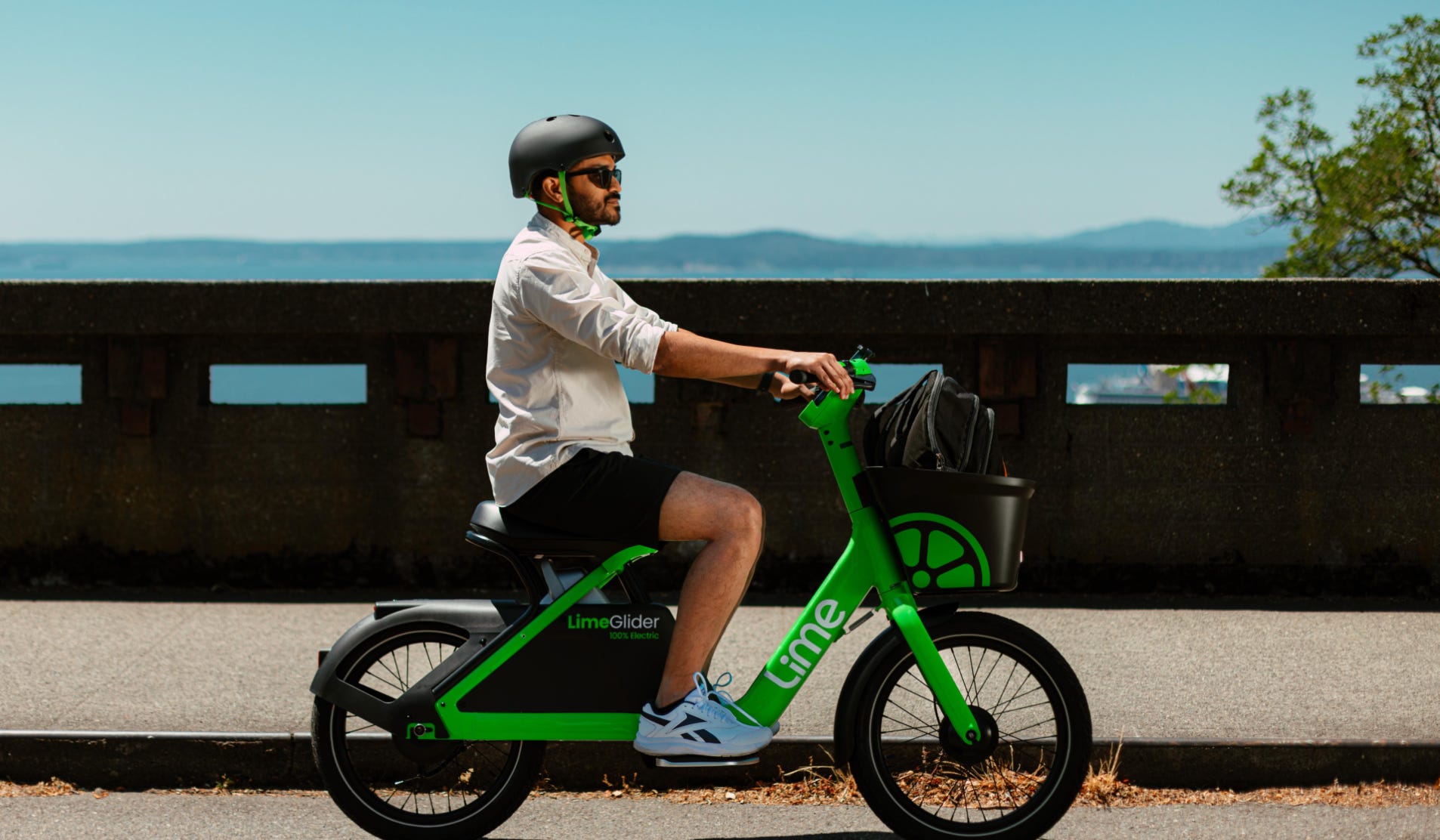
A billion dollars worth of scooter rides: For the first time in its relatively young existence, micromobility pioneer Lime surpasses $1 billion of revenue over 12 months. According to Lime’s Q3 2026 financial results, the operator saw revenue increase to $361 million, marking a 20% year-on-year rise.
What we’re reading
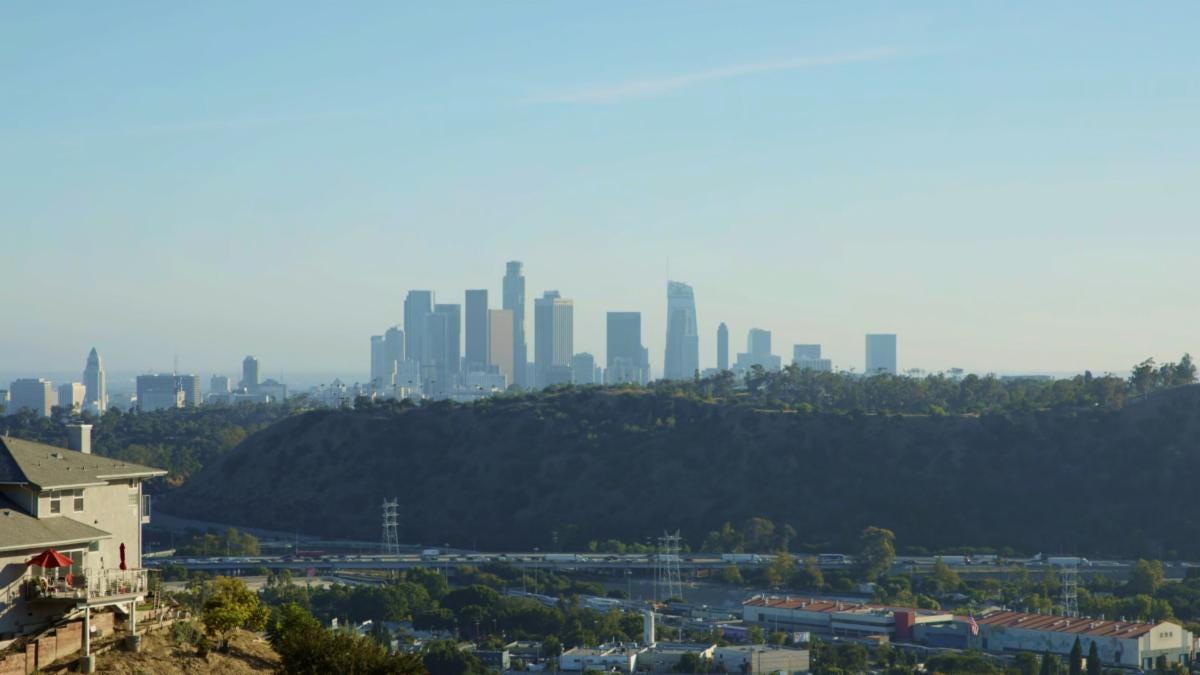
Building LA’s mobility legacy: CoMotion Founder & CEO John Rossant talks with the International Association of Transportation Regulators President Matt Daus about the big things happening in Los Angeles and what he sees for the future. If things go well, he says, in 10 years “most Angelenos will be able to live well without owning a car.”