Who Gets to Control Your City's Streets?


Save the Date

Join us for CoMotion LA ‘26 this November 18-19 for the 10th edition: Cities on the Move: Mega-events, AI & Shaping What’s Next — featuring the OMF Summit Track.
From one perspective, we are on the cusp of an incredible advance in safety on city streets. Autonomous vehicles will dramatically reduce road fatalities and AI-powered surveillance cameras will abolish crime and disorder from the public realm. The other perspective, of course, is that this brave new world of ever-present data collection is a monumental threat to privacy and freedom. Furthermore, these days the concern is no longer just about the reach of government, but about the corporations controlling the technology and data and in some cases even owning the streets. That’s right — with Starbase, Tex. and Woven City, Japan, are we entering a new era of company towns?
What you need to know
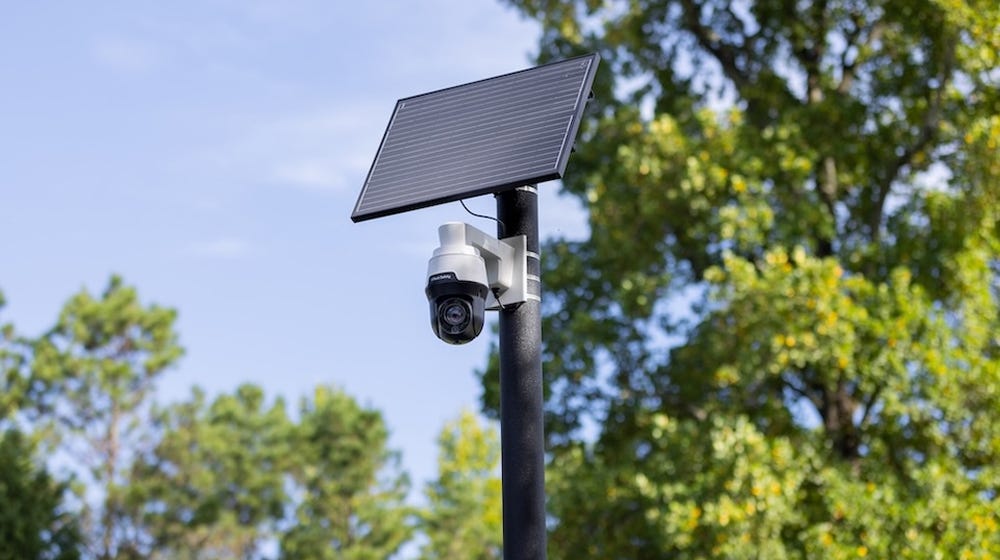
The great urban surveillance debate: LAPD ends its contract with Flock Safety, saying it has “serious concerns” about the civil liberties implications of the company’s license plate readers. LPRs are an increasingly common police tool; they alert police to a vehicle linked to an outstanding warrant. Flock alone has 80,000 cameras throughout the U.S. Police departments often tout the technology as crucial in tracking down those accused of serious crimes or even stopping crimes in progress, such as kidnapping. But others have raised concerns about privacy and instances of the technology being hacked and exploited by criminals. You can expect this debate over surveillance to intensify in cities around the world as these tools become even more sophisticated. What some will view as no-brainer tools with the potential to dramatically reduce urban crime others will view as a terrifying loss of privacy.
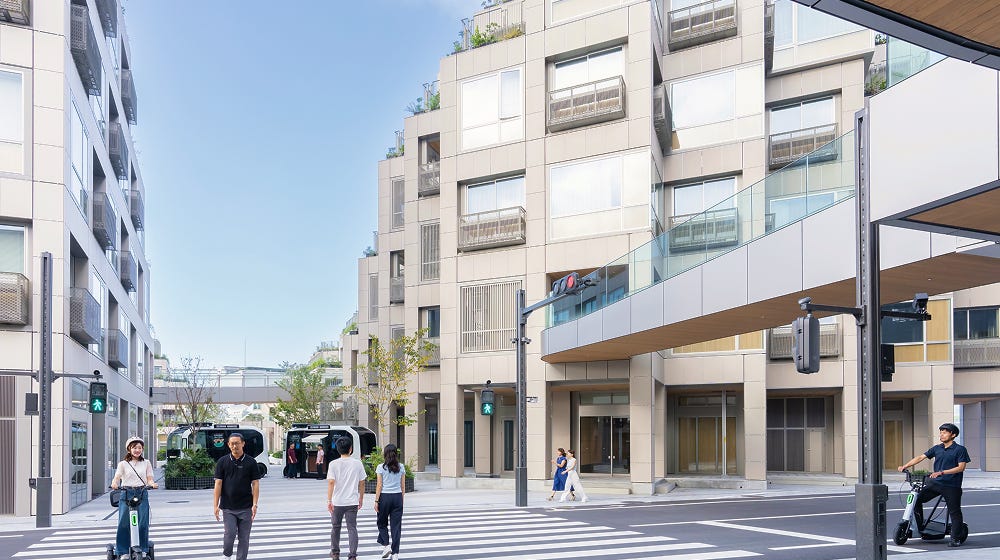
The return of the company town: Woven City, Japan and Starbase, Texas are examples of new communities tied almost entirely to one company. Woven City was built by Toyota as a testing ground for new mobility tech, while Starbase is a new city in rural South Texas entirely oriented around SpaceX. Will this dynamic become a trend? Most companies would prefer to locate in areas that already have substantial public infrastructure investment, but in some instances mega-corporations may perceive an advantage in building a community from scratch.
A new way to track — and charge you: Singapore, the city-state that famously conquered traffic by implementing a sophisticated system of dynamic congestion pricing, is going a step further. Rather than being charged tolls at various points throughout the city, Singapore’s motorists will now be tracked by a satellite system that charges them based on the distance they drive at certain times of day. The state says the new approach will be a fairer way to price residents’ use of the roads, but the prospect of constant government tracking has raised privacy concerns in the famously compliant country.
The battery recycling math problem: While a number of promising startups have made tremendous technical progress in recovering valuable materials from used EV batteries, nobody has yet figured out how to consistently do so profitably. As NPR reports in a lengthy feature on the economics of battery recycling, right now you’re lucky to find someone who will take a used battery off your hands for free.
The people building the future of mobility are coming to LA 🌴☀️
This November 18-19, CoMotion LA celebrates the 10th edition featuring the OMF Summit — and brings together the leaders, innovators and decision-makers reshaping how cities move, connect and grow. From public agencies and transport operators to investors, founders and global technology companies, CoMotion LA has become the world’s leading urban mobility gathering.
Be in the room to hear how:
LA Metro and LA28 are preparing for one of the world’s largest sporting events.
FIFA World Cup 26 is coordinating regional mobility across multiple cities.
Advanced air mobility is transitioning from concept to regulatory reality.
Autonomous and micromobility are reshaping last-mile connectivity.
Open-source mobility data is enabling interoperability.
Cities are reimagining streets from car-centric to people-centric planning models.
👉 Take a look at our latest confirmed speakers.
The conversations shaping the next decade start here. Register now.
Uber v. Waymo in D.C.: The ride-hailing giant is lobbying against a bill being considered by the Washington D.C. City Council that would allow autonomous vehicles to operate in the nation’s capital. Uber is pushing D.C. to only allow AVs to operate on ride-hailing platforms that also include human-driven vehicles. Although Waymo continues to operate on the Uber platform in a number of markets, this is the latest sign of an unraveling relationship.
What we’re reading
Why tech and policy must respect people’s feelings: In a thoughtful piece on autonomous vehicles for NOEMA, a magazine published by the California-based Berggruen Institute, Jonathan Slotkin looks back on the technological innovations that have made driving safer, from seatbelts to anti-lock brakes. Most of them initially faced resistance but were eventually embraced, but some faced such intense backlash that they were abandoned — or even outlawed. In order to win support for AVs, he suggests the industry embrace “radical transparency” in explaining the imperfections in its technology as well as explaining why it is still far safer than human drivers.