A Trump thumbs up for air taxis


For years we’ve been talking about eVTOL testing, but the tests the Trump administration just authorized are very different. The administration is now green lighting eight different pilot projects operated by eight different local government authorities, all of which will allow air taxis to share air space with the rest of the aviation industry, carrying passengers and cargo. That’s a big deal, and it signals that air taxis are close to becoming a real transportation option.
Also: Lucid and Rivian follow Tesla’s lead by getting into robotaxis and robots respectively, while Honda follows Detroit’s lead by taking a big step back on EVs.
What you need to know
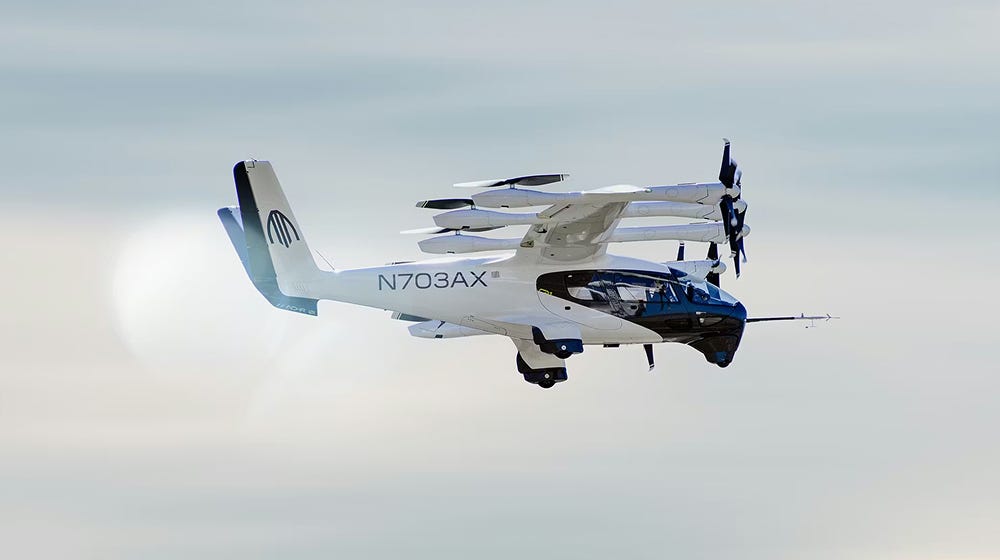
FAA greenlights eVTOL testing: The Trump administration OKs requests from eight local and state governments to set up pilot programs for real-world air taxi testing. The eight projects are overseen by local agencies such as the Texas Department of Transportation and the Port Authority of New York and New Jersey but will involve takeoffs and landings in 26 states. This clears the way for evTOLs to share airspace with traditional aircraft and helicopters at regional airports, a huge step forward for the nascent industry - no word on passenger flights yet.
AVs beginning to put a dent in the human rideshare market: The effect of robotaxis on the human-driven ride-hail market is beginning to show up in the data in several major U.S. markets. While human operated rides dropped 2.6% across the U.S. in Q5, they dropped by an average of 5.3% in markets where AVs are deployed, according to a new analysis by GridWise. The effect was particularly pronounced in Los Angeles, where human rides dropped nearly 10%.
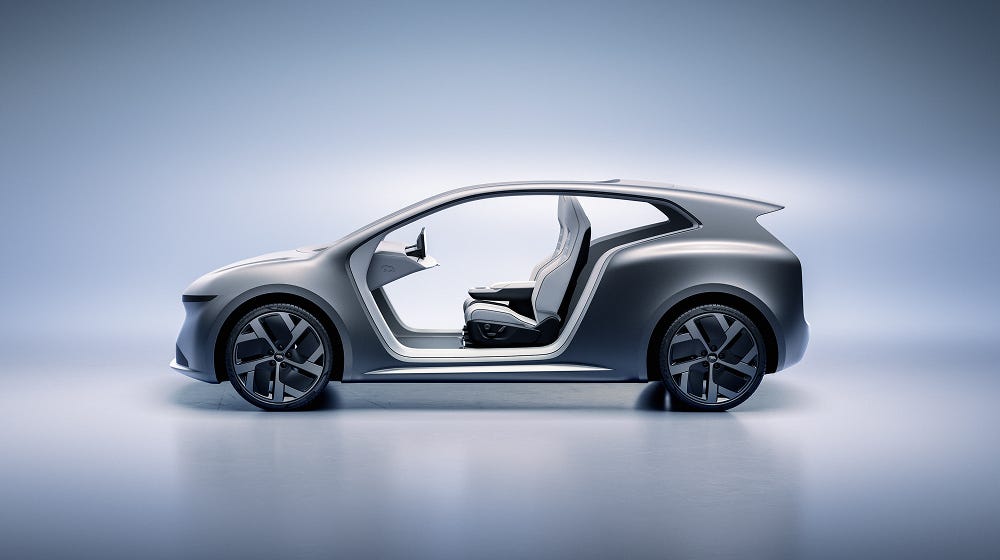
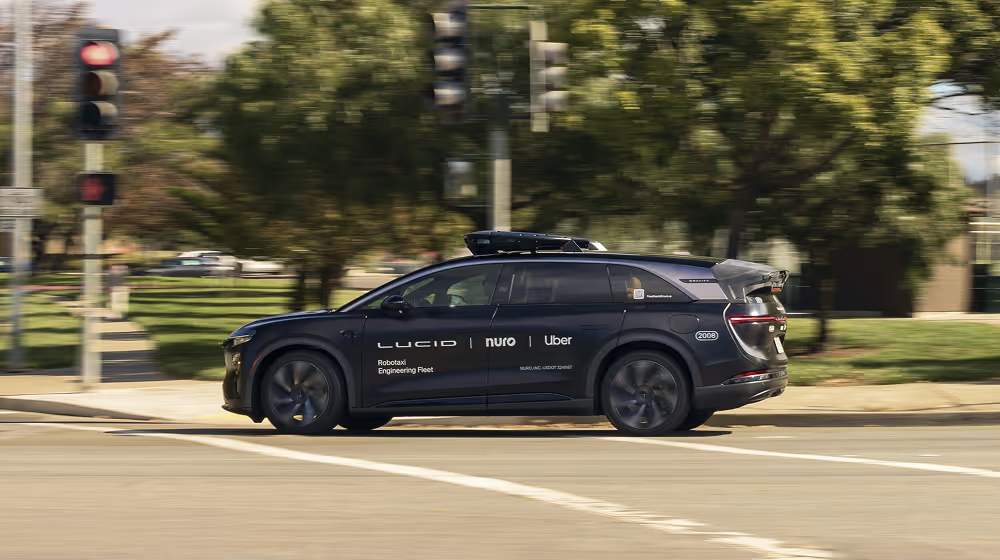
Lucid does a robotaxi: The American EV maker unveils a concept for an autonomous vehicle without pedals and a steering wheel. Separately, Lucid is in talks with Uber about collaborating on a mid-size robotaxi. Unlike Tesla, Lucid has not said that it expects ride-hailing to be the future of its business, but it clearly wants to keep its options open. Also like Tesla, it is making a big play at selling self-driving software to vehicle owners.
Big money for Rivian’s robots: Mind Robotics, a startup spun out of EV maker Rivian, raises $500 million at a $2 billion valuation in a Series A round. Like Tesla and Nvidia, the company aims to develop robots with human-like dexterity to work in warehouses or factories. Unlike Tesla and Nvidia, however, Mind Robotics does not intend to build robots in the human form. They can take our jobs, but not our likeness!
Honda ditches EVs: The Japanese automaker ditches plans for three electric vehicles, a decision it estimates will cost $15.7 billion, leading to its first annual loss in nearly 70 years. This comes shortly after the Big Three Detroit automakers similarly retreated from EVs in response to sluggish sales in the U.S., particularly after the repeal of the EV tax credit. Honda’s move, however, is less intuitive. After all, it was one of the Asian automakers whose mastery of fuel efficient and hybrid sedans forced Detroit into its current dependency on trucks and SUVs. And even its chief Japanese rival, Toyota, has come around to EVs after years of resistance. But with the rise of China’s EV industry and the promise of U.S. startups like Lucid and Rivian, perhaps Honda simply judged the competition too fierce.
ICYMI
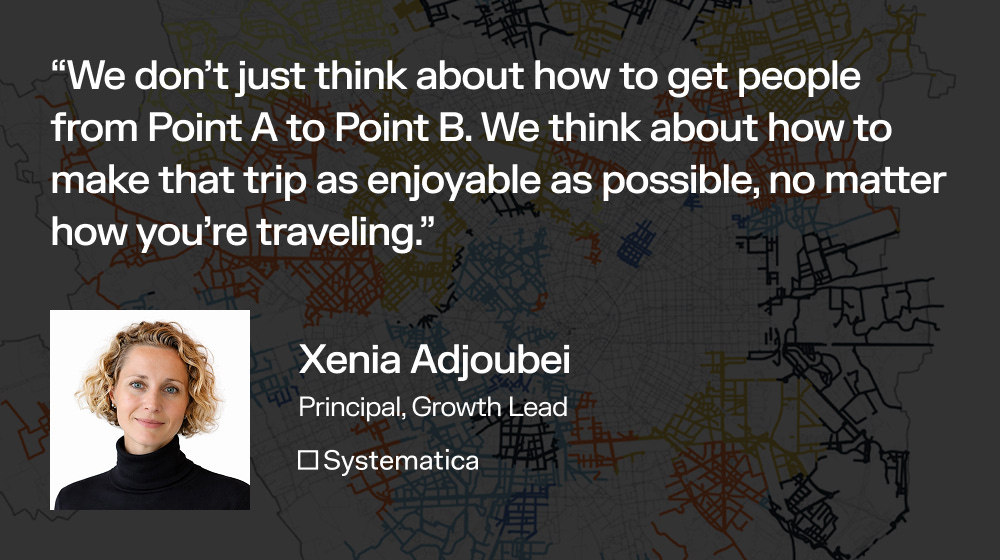
Planning for pleasure: A CoMotion interview with two leaders from Systematica, an international mobility consultancy that champions “user experience” in transportation design. In other words, they believe that speed and safety should not be the only metrics by which infrastructure should be measured. It’s time that we take pleasure and joy into account.
What we’re reading
Waymo’s Phoenix experience, 6 years in: Fast Company sits down with Phoenix Mayor Kate Gallego to get her perspective on Waymo, which has been operating in Phoenix since 2020 –– longer than any other city. Gallego is generally an AV optimist who believes Waymos have proven safer than human drivers. She does not believe, however, that a future where personal vehicles double as robotaxis is coming soon.