What does the Blue Wave mean for robotaxis?


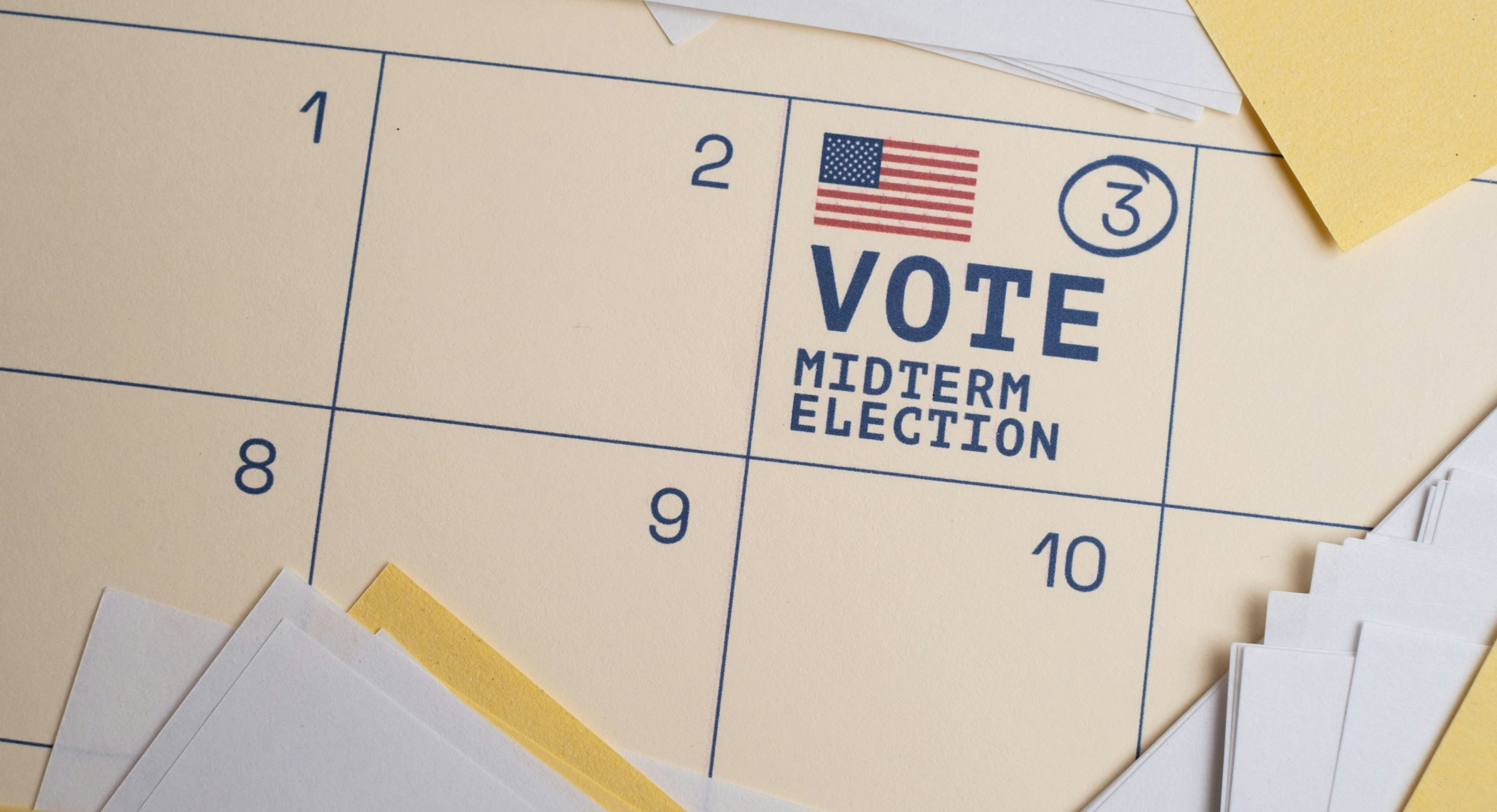
Today we’re looking at a couple other implications of last week’s election. First, there is a range of attitudes on autonomous vehicles in both parties, but in general the industry believes big Democratic majorities in Congress make the prospect of a federal AV regulatory framework less likely in the next two years. America’s #2 city now has something in common with #1: a socialist mayor who strongly favors alternatives to the automobile.
Plus, a huge raise for Zipline, Waymo explains its divorce with Uber and CoMotion CEO John Rossant shows up on Zag Daily’s list of 100 top mobility leaders! And how many parking spaces per car would you guess there are in America?
Last but not least, CoMotion LA is NEXT WEEK on Nov. 18-19! Register now!
What you need to know
Blue Wave tempers expectations for federal AV regs: Hopes for Congress passing comprehensive regulations for autonomous vehicles have dimmed in the wake of the Democratic landslide. AV developers have for years been pushing for federal legislation to preempt the patchwork of state and local rules, but industry observers note that Democrats at the state and federal level have generally been more hesitant about embracing AVs than Republicans. But it’s important to keep things in perspective: Waymo is thriving in blue California. While robotaxis have attracted some anti-Big Tech hostility, they’re not in nearly as bad of a position as data centers.
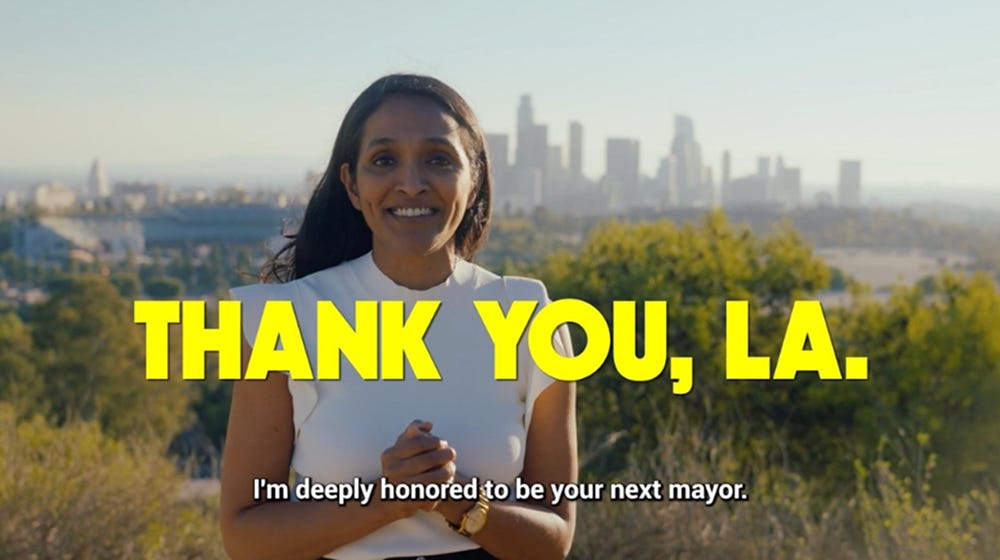
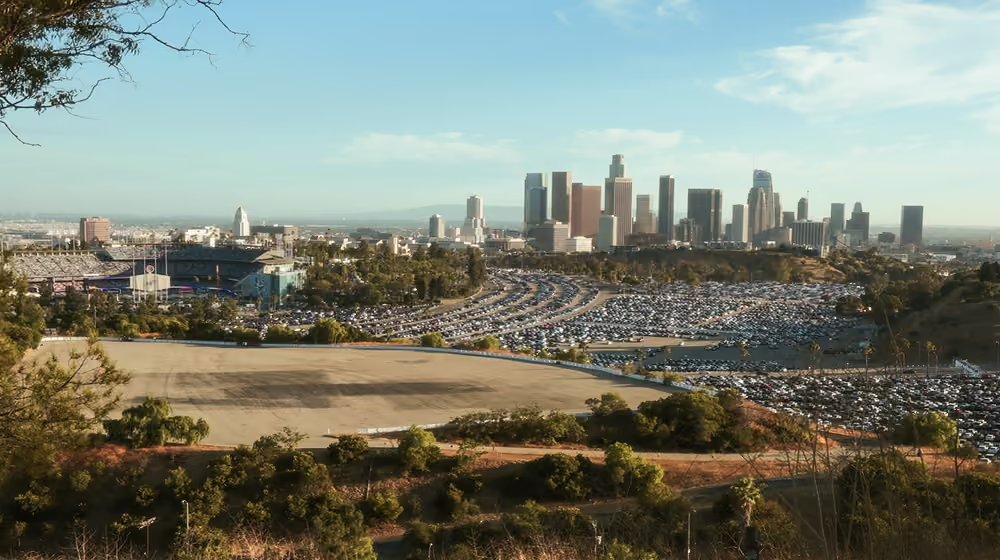
A really pro-transit mayor in Los Angeles? Much of the national attention on Nithya Raman’s resounding victory over incumbent Karen Bass in the LA’s mayoral election focuses on Raman’s affiliation with the Democratic Socialists of America, but transit advocates are also optimistic that Raman will be far friendlier to multi-modal transportation than her predecessor. Although Bass described herself as a transit supporter, she often found reasons to slow down reform in deference to motorist concerns. Perhaps she’ll take a page out of fellow DSA Mayor Zohran Mamdani, who has prioritized the rapid deployment of bus lanes and bike infrastructure. The key difference, of course, is that car culture is far stronger in LA than the Big Apple.
Huge raise for Zipline: The drone delivery startup raises $1.5 billion and reaches a $21 billion valuation as it deepens its relationships with Walmart. The two companies just reached a deal to add 300 more delivery sites across the U.S., up from only 21 today.
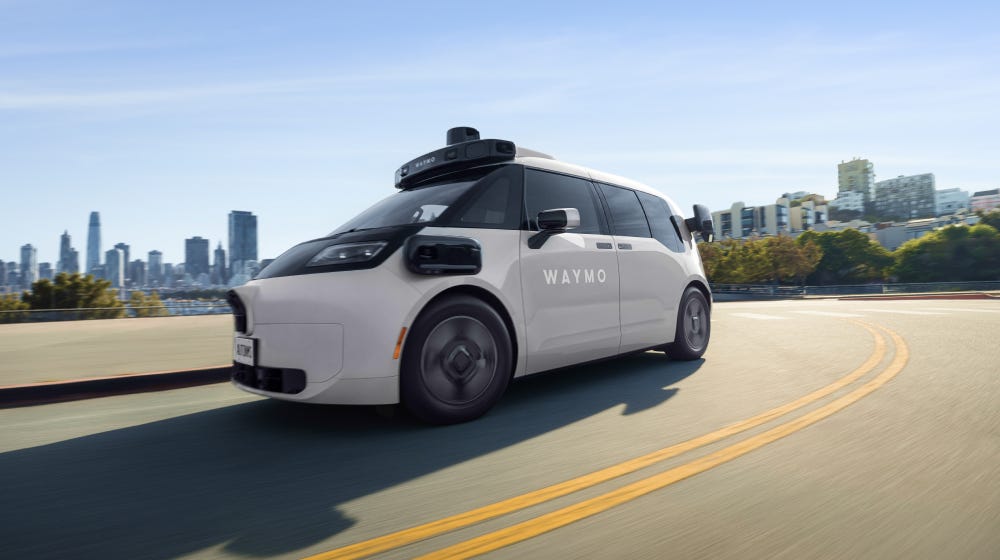
Waymo says price isn’t the priority: Waymo Co-CEO Tekedra Mawakana acknowledges that Waymo’s prices are still higher on average than other ride-hailing services but says that experience, rather than price, is the company’s current focus. That also explains Waymo’s decision to eventually end its relationship with Uber, which currently is the exclusive platform for Waymo robotaxis in several U.S. markets. Customers want a platform that will guarantee them a robotaxi ride, not merely the possibility of one, says Mawakana.
Waymo’s school bus issues: Waymo becomes the latest AV operator to face scrutiny over how its vehicles are handling school bus stop signs. The National Highway Traffic Safety Administration has opened a “recall query” on the matter.
What we’re reading
A sobering look at the cost of parking: Cara Stern of the Missing Middle Podcast goes over some jaw-dropping stats about parking in America with Henry Grabar, author of Paved Paradise: How Parking Explains the World. Here’s just one: there are three parking spaces for every car in the U.S.