What if autonomy makes congestion worse?


Less Than 70 Days To Go!
CoMotion MIAMI ‘26 isn’t just an event, it’s where investors, public agencies and industry partners align on funding, pilots, deployments, and policy. Don’t miss out on the 7th, and most impactful edition yet: Urban Mobility in the Age of AI, on April 28–29.
It’s not deja vu: we are now publishing two CoMotion NEWS editions per week. Different stories, same great taste. Now onto the news:
In theory, autonomous vehicles free of human error should significantly reduce congestion; an assumption that’s led some to proclaim the death of mass transit. This week we look at people pushing back on that premise. Simply dumping AVs on existing roads won’t solve traffic, says a company piloting an autonomous transit system with a dedicated guideway in Atlanta. In fact, argues investor and expert Reilly Brennan, robotaxis could end up exacerbating urban gridlock unless cities put policies in place that discourage what he describes as “pauking,” (more on that below), a problem that is unique to autonomous vehicles.
Also: Uber spends big on charging infrastructure, Tesla reports that its Austin robotaxis got in 14 crashes, LA Metro considers a massive new autonomous train line and Global Stratalogues releases a strategic plan for urban air mobility in the Persian Gulf.
What you need to know
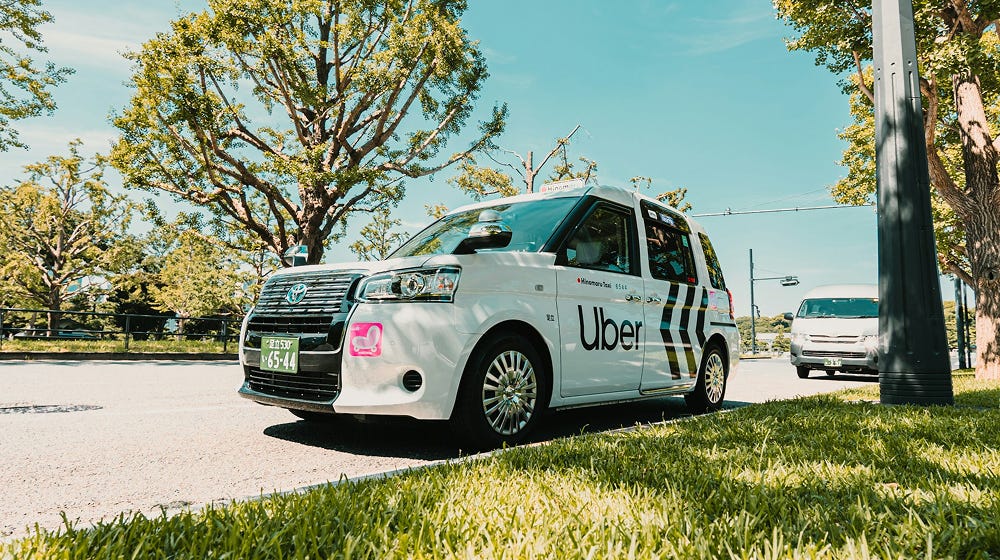
Uber spends big on AV charging: The ridehail giant will invest $100 million on charging stations as part of its all-of-the-above robotaxi strategy, which includes partnerships with dozens of different autonomous driving startups. Uber wants to be sure that whoever is providing autonomous rides on its platform has access to fast-charging.
Tesla’s 14 crashes: Tesla reports that its small fleet of autonomous cabs in Austin have been involved in 14 crashes since kicking off its robotaxi pilot last summer. None of the crashes appear to have resulted in serious injuries and it’s not clear who was at fault. The numbers may explain why Tesla is still running a limited pilot.
China's Networked Mobility Revolution with Bill Russo
How Chinese mobility took over the world: In the latest episode of the Fast Forward podcast, host Nick Perloff-Giles sat down with former auto executive and automobility expert Bill Russo of Automobility to discuss just how quickly China caught up to - and surpassed - the rest of the world’s mobility capacity, and what it means for the future of transportation.

Atlanta goes for “net new capacity”: Atlanta will pilot an automated transit network in which driverless electric pods travel on a fixed guideway. The initial route, a half mile between a convention center and sports arena, is scheduled to launch in December. To some, the fixed route is a bug, but Glydways, the California company operating the system, says it’s a feature. For cities to truly improve mobility, they must add “net new capacity” through dedicated right-of-way, rather than simply putting autonomous vehicles on already-congested roads.
Gulf AAM roadmap: Global Stratalogues releases a strategic plan outlining how the Gulf states can further develop advanced air mobility infrastructure and services, positioning the region to become a major hub for eVTOLs and other urban air vehicles. The UAE and Saudi Arabia have been at the forefront of embracing UAM.

A massive train tunnel project in LA: LA Metro is moving forward on preliminary plans to build a 13-mile autonomous rail line parallel to the notoriously congested Interstate 405. The cost could be upwards of a staggering $24 billion - roughly 3x the entire annual budget of the agency.

🚲 The Copenhagenize Index-Updated 2026 Master Class Program is live! Data is powerful. Action is better. In 2026, Copenhagenize is launching a new generation of Master Classes built directly on the Copenhagenize 2025 Index – EIT Urban Mobility Edition, designed to help cities turn cycling data into real-world change.
✨ What makes 2026 different
- A fully updated Bicycle Urbanism Essentials curriculum
- Exclusive insights from the world’s top 100 cycling cities
- Practical tools you can apply immediately
- Clear, Index-based next steps - not just inspiration
📍 In person | Paris 🗓️ May 19–21, 2026
A 3-day immersive Master Class where Index learnings are experienced in the 5th most bike-friendly city.
💻 Online | Index Edition 🗓️ April 2026 and October 2026 Three focused sessions, two time zones — built for global participation.
What we’re reading
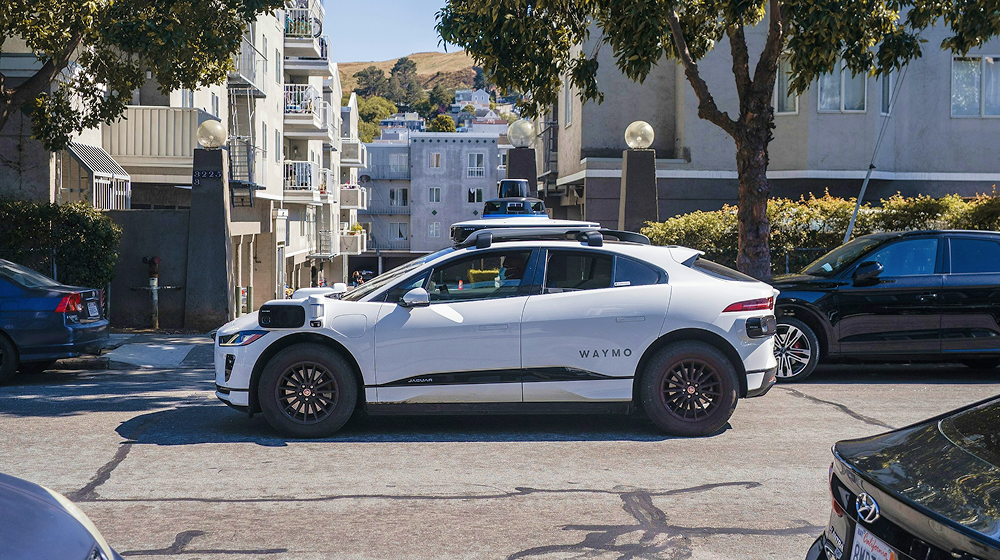
The pauking problem: Pauking is a term coined by Reilly Brennan to describe the not-quite-parked but not-quite-driving behavior of autonomous vehicles as they await their next fare. Circling a block is cheaper for Waymo than stopping and paying for a parking spot - this could lead to a major congestion problem in cities.