Where does the driverless future park?


Robotaxis will hopefully reduce the need for parking, but they will not eliminate it. That’s the opportunity that Uber hopes to capitalize on with the launch of its new parking service. And Stephen Zoepf asks an important question: what else can AVs do for cities?
Plus, in the wake of an election that was generally favorable to transit, a New Jersey mayor is launching a PAC to support multi-modal transportation in elections around the country. Meanwhile, Tesla’s robotaxi service is finally beginning to rival Waymo’s, Europe and China continue to run laps around the U.S. in EV sales, and researchers quantify the high cost of America’s zoning regulations.
What you need to know
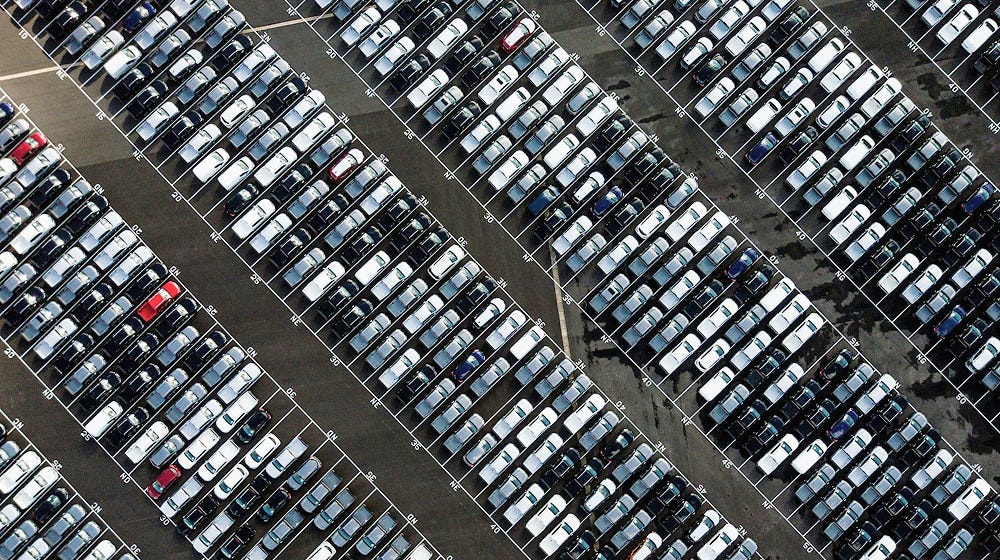
Uber’s big parking plan: The ride-hail giant launches a new parking service enabled by its acquisition of SpotHero earlier this year. Uber has access to more than 13,000 parking garages across more than 400 cities, which it initially is seeking to monetize simply by connecting human drivers with parking spots. But long-term the company envisions providing a place for autonomous fleets to hang out or charge when they’re not collecting fares. One of the oft-heralded benefits of AVs is that they’ll allow cities to free up space currently devoted to parking. But even if it’s true that AVs may not demand parking nearly as close to their destination as humans, they still need somewhere to go when they’re not working. And we don’t want them endlessly circulating, clogging up traffic.
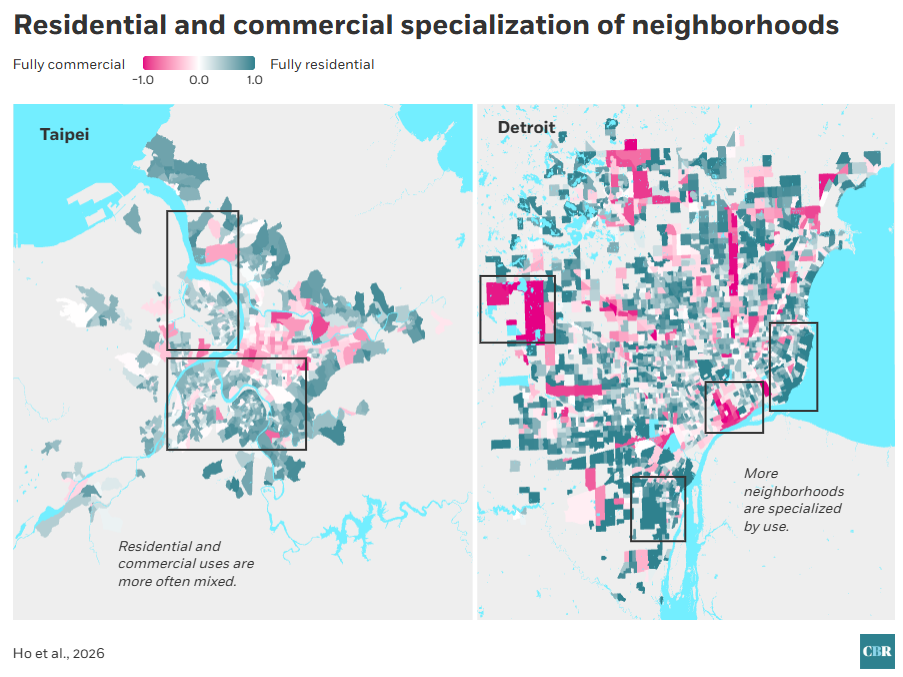
America’s tremendous zoning tax: A new research paper compares zoning in 34 major U.S. cities to regulations in Taipei, Taiwan, where there are few rules separating residential and commercial land uses. The researchers conclude that the byzantine zoning regulations that are typical in the U.S. impose a heavy economic cost, reducing the welfare of residents by approximately 9 percent.
Tesla catches up in Texas: Tesla expands its Cybercab service to San Antonio and now has roughly 1,300 autonomous vehicles registered with the Texas DMV, the same as Waymo. It’s not clear how much of the authorized fleet is in service, however. Still, it’s a strong signal that Waymo is finally facing some real competition in the autonomous ride-hailing space.
America’s unfortunate automotive distinction: The Chinese bought 1.4 million EVs last month and Europeans bought over half a million. But North Americans lagged far behind, only buying 130,000 EVs. It was the first month in which EV sales climbed in North America year-over-year. Not coincidentally, October of 2025 was the first full month following the elimination of the EV tax credit in the U.S.
A pro-transit PAC? Shelley Brindle, a retired HBO executive who currently serves as mayor of Westfield, N.J., launches the Center for American Mobility, describing the group as the “Emily’s List of transportation,” referring to the org that has for decades focused on electing women Democrats who support abortion rights. One of the new group’s priorities will be to support pro-transit ballot measures around the country.
CoMotion & LADOT ThinkBike Workshop in LA
Hosted by CoMotion in partnership with LADOT · Led by the Dutch Cycling Embassy · Supported by Upway
With the LA28 Olympic and Paralympic Games approaching, Los Angeles can rethink how people move through the city, both for the Games and for decades after. Think Bike LA brings together LA civic leaders, agency staff, and advocates with experts from the Dutch Cycling Embassy (DCE) for a half day of interactive sessions focused on how LA can build a connected, low-stress cycling network that serves everyday trips and links neighborhoods to transit and Olympic destinations.
📅 Fri, November 20, 9:00 - 13:00 GMT-8
📍 Ronald F. Deaton Civic Auditorium, Los Angeles, U.S.
What we’re reading
Driverless cars could be more helpful: Writing for the Driverless Digest, Stephen Zoepf says autonomous vehicle fleets could provide a trove of useful data to cities, from potholes to speeding violations (by human or non-human drivers).