Who closes the car door in the AV era?


Save the Date

Shape the future of mobility at CoMotion MIAMI '26 on April 28-29. Pre-Register your interest now and to be the first to know of updates and Super Early Bird pricing.
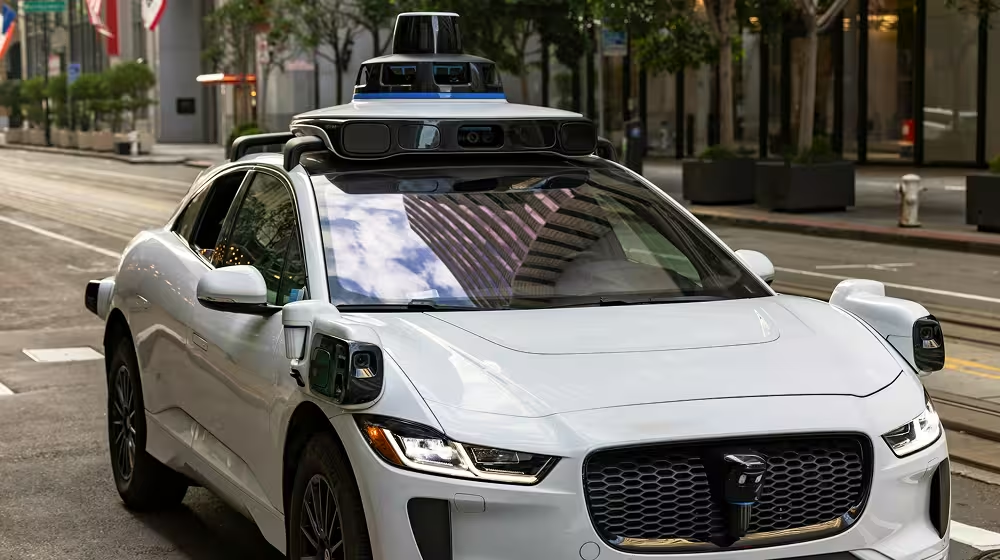
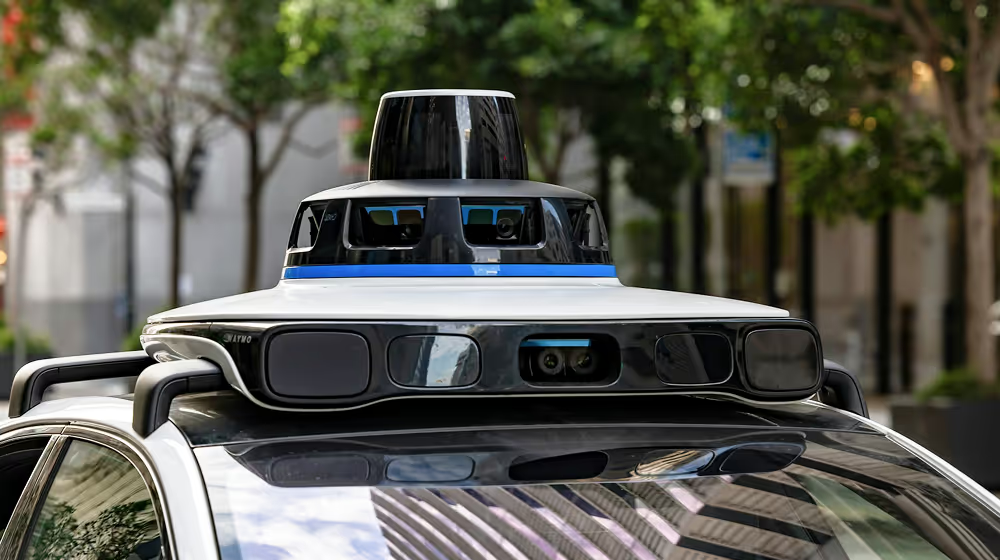
The past week of news was characteristic of the early age of autonomy. Tremendous technological progress is undeniable, but so are the nagging reminders that there are still ways that the dumbest humans outperform the smartest machines. Case in point: Waymo is now paying people upwards of $20 to close AV car doors! We’ll see if Uber can figure out how to deal with that problem in its recently-unveiled robotaxi…
Meanwhile: Israeli autonomous driving tech company Mobileye buys a robotics company and scores a big new automaker customer, Joby Aviation buys a new factory in Ohio, the EU and China inch towards a deal on EVs, another American highway sees its costs explode, and a new study underscores what we’ve always known: infrastructure determines how people move.
What you need to know
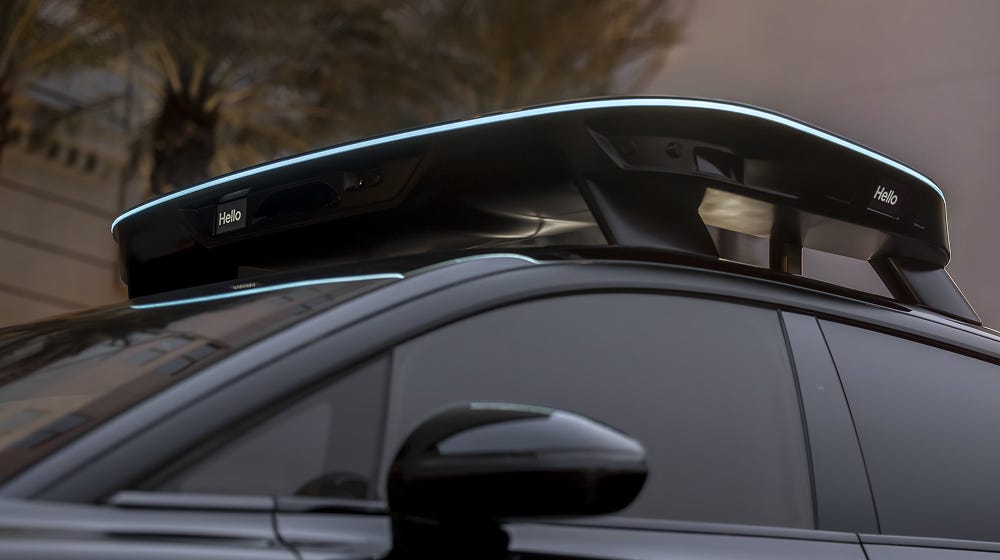
Uber unveils new robotaxi: The ride-hail giant shows off a new vehicle it built with luxury EV maker Lucid and autonomous tech startup Nuro for the purpose of offering “premium” autonomous rides. Unlike some other purpose built robotaxis, the new vehicle, which is largely inspired by the Lucid Gravity SUV, has a steering wheel and pedals. Uber has begun testing them in San Francisco.
Mobileye’s buy: The Israeli company announces a deal to purchase Mentee Robotics, which is developing humanoid robots. That comes one day after it says it has inked a deal to sell chips to an “unnamed” U.S. automaker for use in autonomous driving features.
Waymo goes Ojai: Waymo decides that the purpose-built autonomous shuttles that it hopes to soon deploy will no longer carry the name of Zeekr, the Chinese company building them. They will henceforth be known as Ojai (oh-hi), after the notoriously crunchy-but-chic vacation spot northwest of Los Angeles.
China and EU seek EV detente: China and the European Union agreed on steps to ease a long-running dispute over Chinese-made electric vehicle imports, with Brussels rolling out guidance on minimum pricing proposals that could replace the up-to-35% tariffs first imposed in 2024. Does this mean Europe will accept that their domestic automakers will lose market share to cheap Chinese imports?
Another highway debacle: The projected cost of replacing the I-5 Interstate Bridge linking Oregon and Washington has ballooned from $4.8 billion in 2020 to between $12.2 billion and $17.7 billion. Among the fastest accelerating costs? Consultants, who comprise the majority of staffing on the project.
Feds target D.C. traffic cameras: The Trump administration is reportedly considering forcing Washington D.C. to dismantle its network of 500 automated traffic enforcement cameras. Mayor Muriel Bowser denounced the proposal, noting that the District is coming off a year when traffic fatalities on city streets were cut in half.
Induced demand exists for bikes too: Induced, which explains why widening roads doesn’t ease vehicle congestion, is a concept that critics of car-centric planning talk about non-stop but the car-brained transportation establishment conveniently ignores. A new study highlights that the same principle, unsurprisingly, applies to bike and transit infrastructure: if you build it, they will come!
What we’re reading
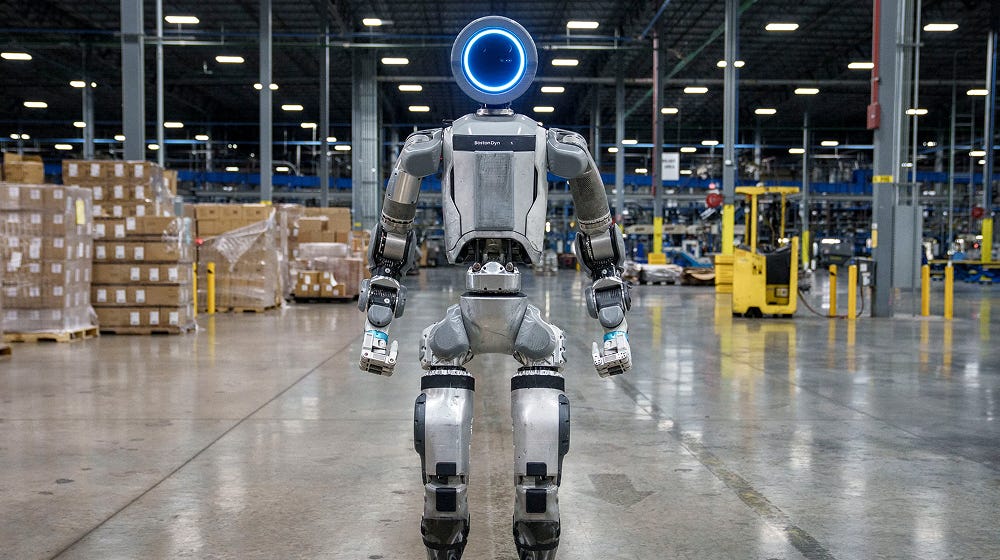
How do we get the robots? Our friend Olaf Sakkers, founder of RedBlue Capital, describes the different paths to developing the types of humanoid robots that Tesla, Alphabet and many other Big Tech firms are trying to build. The tremendous progress with Large Language Models and autonomous vehicles may tempt you to believe that humanoid robots are just around the corner, but Sakkers says that mimicking human movement is likely far more complex.
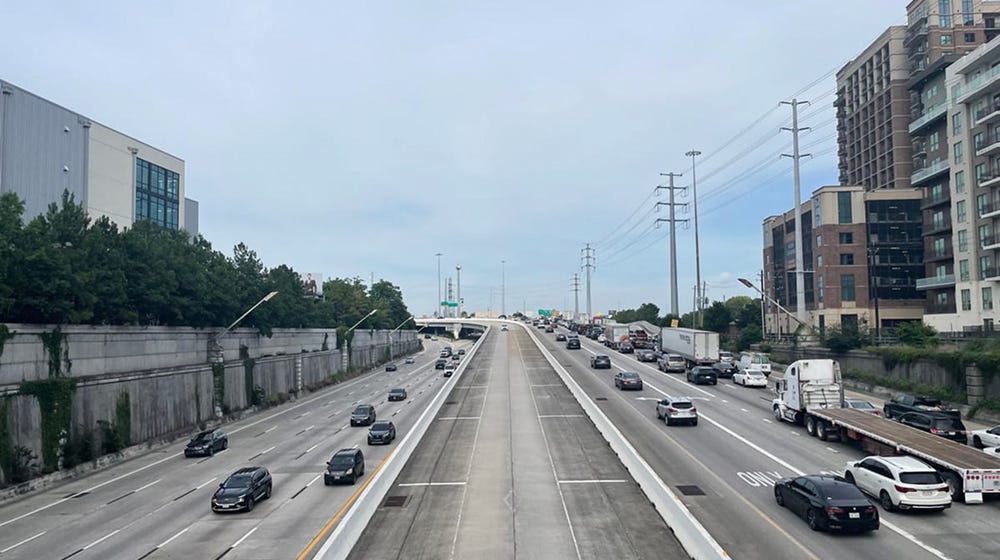
Anti-social tech, anti-social infrastructure: Yours truly writes about an argument in favor of transit and autonomous vehicles that once appealed to me: it will give you more time to look at your phone. These days, however, the last thing I want for society is more screen time. In an era of unprecedented social isolation, cities should prioritize infrastructure that encourages social interaction with nature and society.