Musk discovers modesty


OK, maybe modest is a bit of a stretch but an Elon Musk prediction that doesn’t have his company single-handedly reshaping human existence is worthy of note. And that’s what he did last week, when he predicted that Tesla Robotaxi would be operating in a “dozen or so states” by the end of 2026, a big step down from the “millions” he said would be roaming American streets by the end of 2025.
Meanwhile, nobody’s feeling the sting of high gas prices more than Uber drivers, who are flocking to EV rentals. And a federal judge grants a D.C. cycle track a stay of execution, demanding that the Trump administration justify the wanton destruction of very popular and very effective bike infrastructure. Finally: San Francisco discovers a solution for crime and disorder on mass transit: doors!
What you need to know
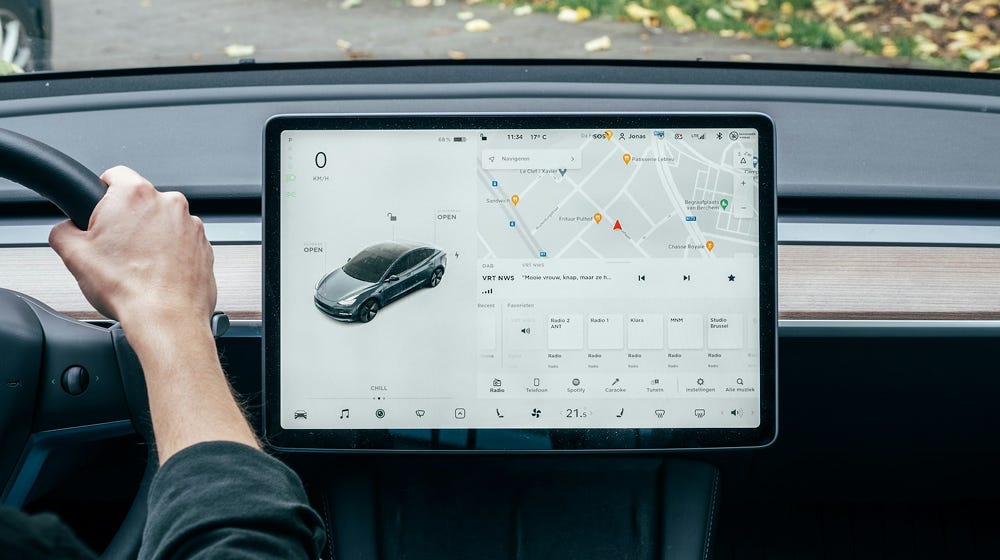
Musk moderates robotaxi promises: A year ago the Tesla chief predicted there would be “millions” of Teslas operating autonomously by the end of 2025. That clearly didn’t materialize, and now Musk tells shareholders he hopes Tesla robotaxis will be running in “a dozen or so states” by the end of this year, saying the company is taking a “cautious approach” to avoid crashes (Tesla has already crashed 14 times in its small robotaxi trial in Austin). Musk has not offered any more details on Tesla Robotaxi’s recently-announced expansion into Houston and Dallas. So far it appears that Tesla is running only a handful of vehicles in those markets, all with a human safety monitor on board.
For Uber drivers, electric is the only way: Rental car company Hertz reports that demand for long-term EV rentals went up 25% in the month of March, driven largely by ride-hail drivers evading high fuel costs. Meanwhile, the leases on 300,000 EVs will expire this year and 600,000 more will expire next year, delivering a glut of used EVs for sale at lower prices, an attractive option for ride-hail drivers.
One neat trick to bolster public transit: Bay Area Rapid Transit has nothing but good news to report about the six-foot plexiglass “fare gates” it installed at train stations in August. It projects fare revenue will increase $10 million this year due to reduced fare-dodging. In the first six months following the installation, BART workers spent 1,000 fewer man-hours repairing vandalism. Total reported crime also dropped 41% in 2025, although that number is likely the result of multiple factors, including increased police presence at transit stations and the general nationwide drop in crime.
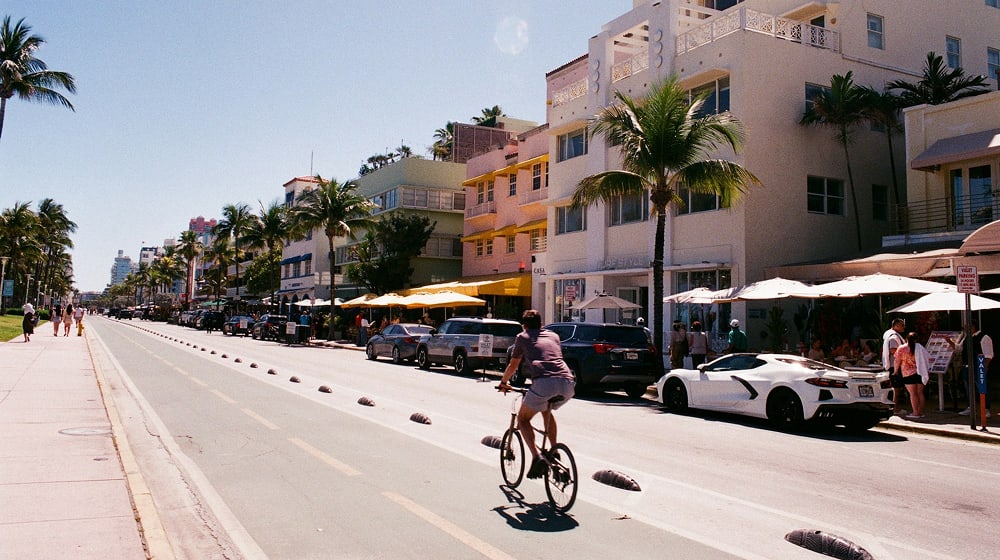
Florida’s tough climate: In recent years Florida has been one of the stars of a national narrative about people fleeing to red states in search of warmer weather, lower taxes and affordable housing. And yet, new data show that since 2020 deaths have actually exceeded births in the Sunshine State. A series of devastating hurricanes has prompted home insurance rates to skyrocket, resulting in a housing market that is not nearly as affordable as sales prices suggest. This is a sign of things to come in other places vulnerable to the most extreme effects of climate change.
A judge saves a bike lane…for now: A federal judge delays the National Park Service from ripping out a popular protected bikeway in Washington D.C. The three-quarter mile segment of 15th St running between the White House and the Jefferson Memorial has for years had a wide two-direction bike lane separated from vehicle traffic by rubber barriers and flex posts. In her 61-page ruling, Judge Amy Berman Jackson did not bar the feds from killing the bike lane, but she said the government hadn’t provided enough justification for the move. She highlighted data showing a major reduction in serious crashes on the street segment in the five years since the cycle track’s installation.
Removing the lane is one of a number of things the Trump administration is doing to bolster car supremacy in the nation’s capital. There’s a certain irony to an administration headed by a New Yorker to be so hostile to public transit and walkability, but then again Trump himself has always favored limos.
What we’re reading
America’s grid is not ready for this: In an opinion piece for the New York Times, data journalist Robinson Meyer shows how America’s outdated electrical grid is about to come under unprecedented strain from artificial intelligence, electric vehicles and other voracious consumers of electricity. This is a radical reversal from recent history, when demand for electricity actually declined due to more efficient light bulbs and appliances. Simply opposing data centers and other big consumers, however, is short-sighted, he said. In many cases, the arrival of a big new customer might help pay for the substantial costs of making the long-overdue infrastructure improvements needed to prevent “electricity inflation.” It’s important to combat electricity inflation, he says. A shift to a greener economy depends on it.