Should transit advocates support the permitting bill?


In recent years an increasingly vocal contingent of environmental and transit advocates has argued that existing environmental rules are ironically a major barrier to sustainable energy and transportation. Many of these folks are urging Democrats to join Republicans in approving a comprehensive reform of the federal permitting system. However, they are running into opposition from many other environmentalists who fear that the reforms will make it easier to get fossil fuel projects and highway expansions approved. This is a preview of the types of divisions that Democrats will likely encounter in the many statehouses they now control across the country.
Meanwhile, Tesla pivots towards selling Cybercabs for personal use, new AV startups are surging after a multi-year lull and high-speed rail becomes a possibility in Texas. Finally, the EV transition is happening in America even as individual buyers continue to favor combustion engines.
What you need to know
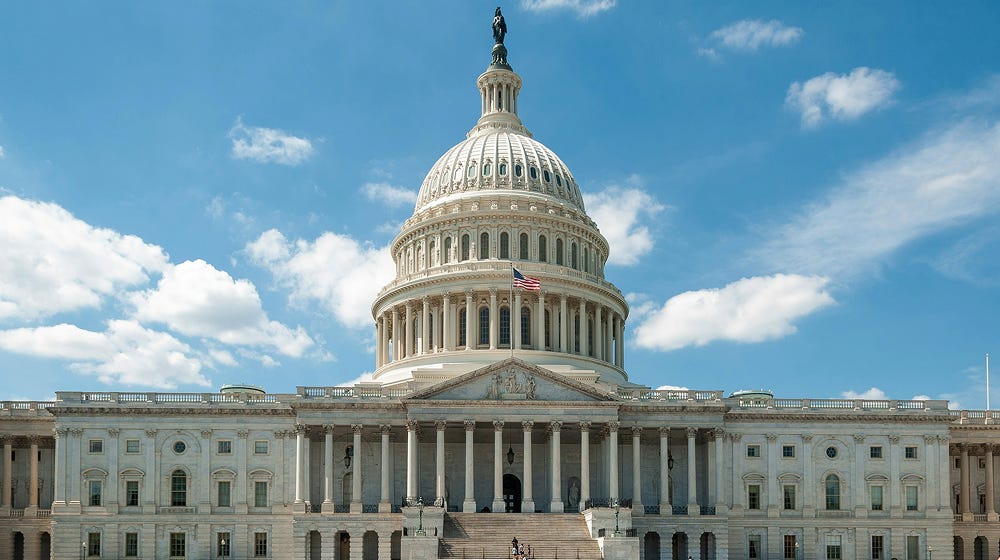
The great permitting debate: Advocates for clean energy and multi-modal transportation are divided on whether to support the Bipartisan American Affordability and Jobs Act (BAAJA) moving through the U.S. Senate. The bill would make it harder to use the National Environmental Protection Act (NEPA) to block all kinds of projects, from solar farms and subways to highways and gas pipelines. Those with an “Abundance” mindset generally view this as a good trade, seeing reduced bureaucracy as key to realizing the full potential of green energy and public transit. But much of the old guard of the environmental movement is loath to accept any change that will make it easier to permit new fossil fuel projects.
Some opponents of the BAAJA acknowledge the need to reduce red tape for renewable energy and transit projects but argue that Democrats should wait until they take control of Congress to write a bill more specifically tailored to those priorities. The problem, of course, is that such a bill is less likely to attract bipartisan support. And bills without Republican support are not going to override President Trump’s veto.
The Cybercab gets personal: Tesla has made the Cybercab available for preorder for customers in certain Texas cities. In the near future, it will only operate in certain geofenced locations. You can buy the vehicle itself for $30,000 but you’ll also have to pay $300 a month to operate it. Elon Musk has said the target monthly operating fee is $115. This is a pivot from just a few weeks ago, when Musk said the Cybercab was not destined for individual owners but ride-hail fleets.
Autonomous startups are back: Trucks VC, the venture capital firm led by Reilly Brennan focused on future mobility, is seeing a major uptick in new autonomous mobility startups in its dealflow. New AV startups surged in the late 2010’s, hitting a high of 76 in 2018, but then plummeted in the 2020’s, hitting a low of 19 in 2023. This year, however, there is a record 81 AV startups in Trucks’ dealflow.
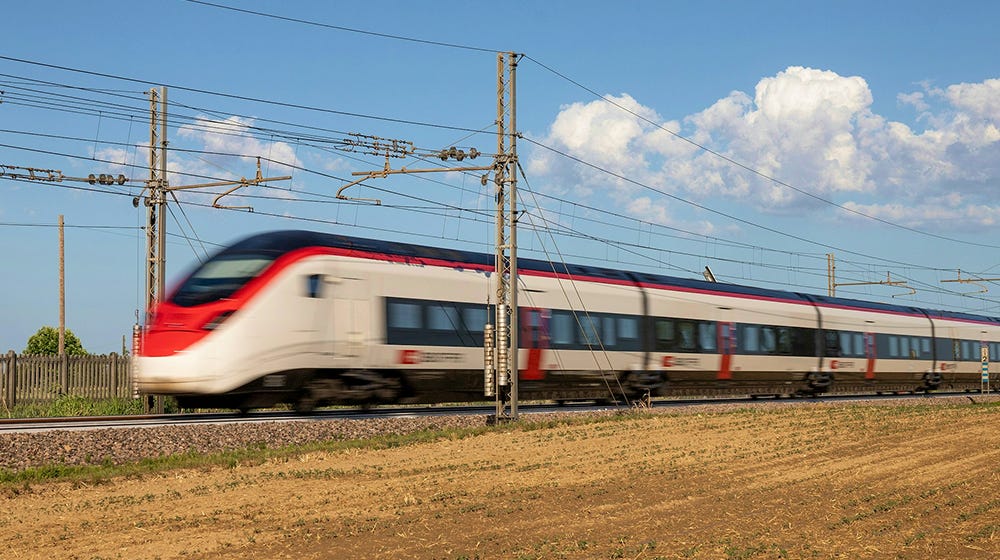
High-speed rail in Texas? One potential consequence of Democrats’ stunning victories in the Lone Star State: high-speed rail linking the three major Texas cities along the notoriously congested and dangerous I-35 corridor. State Rep. John Bucy, D-Austin, has filed a bill to require the state department of transportation to enter into a development agreement with a private entity to build and operate a rail line connecting San Antonio, Austin, Waco and Dallas. The bill’s passage is hardly guaranteed — Republicans still control the State Senate — but the fact that it’s even up for discussion is a sign of how much things have changed politically.
What we’re reading
EVs are winning without car buyers: Car writer Andrew Moseman writes in the Atlantic that the EV boom is happening in America despite low appetite from American consumers. Fleet operators (companies, local and state governments, robotaxi services) are rapidly shifting to EVs because long-term it is cheaper.